Muv Wheelchair
Muv Wheelchair
Muv Wheelchair
The global rehabilitation wheelchair market is undergoing a profound transformation. Driven by an aging global population and a rising awareness of disability rights, the demand for sophisticated mobility aids has shifted from basic utility to high-tech, personalized medical devices. In 2024, the industry is no longer just about transportation; it’s about integration, independence, and intelligence. North American and European markets continue to lead in high-end electric wheelchair adoption, while emerging markets in Asia-Pacific are seeing explosive growth due to improved healthcare infrastructure.
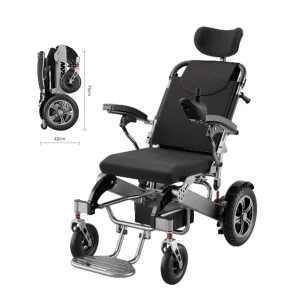
Business models in this sector are evolving from standard retail to specialized OEM (Original Equipment Manufacturer) and ODM (Original Design Manufacturer) partnerships. Global suppliers are now expected to offer carbon fiber frames, IoT-enabled health monitoring, and voice-activated controls. This "Smart Mobility" trend is forcing factories to adopt AI-driven production lines to maintain the precision required for high-back reclining systems and bariatric support structures.
For B2B buyers and medical distributors, the focus has shifted toward reliability and certification compliance. Navigating the landscape of ISO13485 and FDA-approved suppliers is critical for market entry in regulated regions.
China has solidified its position as the premier destination for OEM/ODM rehabilitation wheelchairs. Among these hubs, Foshan stands out due to its complete supply chain—from raw aluminum and carbon fiber sourcing to advanced lithium-ion battery integration. As a leading manufacturer, our facility leverages these localized advantages to provide high-quality medical devices at a competitive price point that European or American facilities struggle to match.
We don't just manufacture; we innovate. Our factory covers 10,000 square meters and is equipped with robotic welding arms that ensure 100% consistency in frame strength. This is crucial for "Heavy Duty" and "Bariatric" models where user safety is paramount. Our R&D team can transform a concept sketch into a functional prototype within weeks, allowing global brands to respond rapidly to market trends.
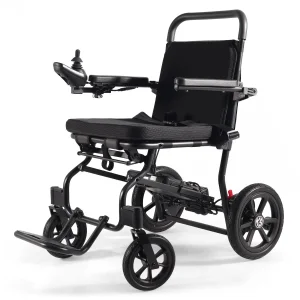
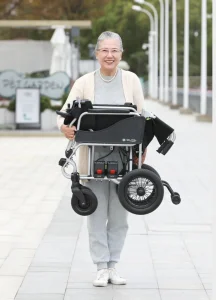
Every region has unique requirements for rehabilitation wheelchairs. In the United States, there is a high demand for bariatric-friendly power chairs with remote control capabilities. In Europe, the focus is on "Smart Folding" designs that can navigate narrow historical streets and fit into compact public transport. Our products are designed with these diverse scenarios in mind.
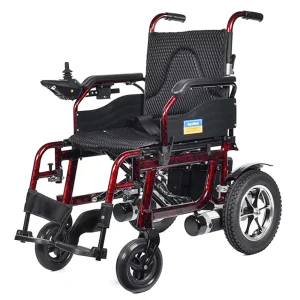
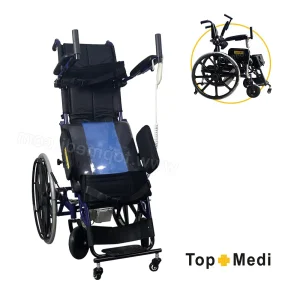
For clinical environments, durability and hygiene are the primary concerns. Our stainless steel transfer chairs and wheelchairs with thickened mesh cushions are designed for frequent sanitization and high-frequency use. The "Standing Function" models are particularly sought after by physical therapists to help patients improve blood circulation and bone density.
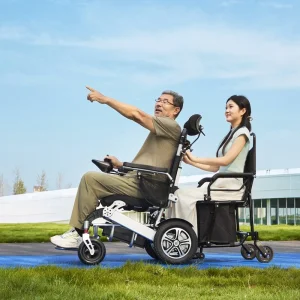
With the "Aging in Place" trend, seniors are looking for wheelchairs that don't look like medical equipment. Our modern, sleek designs with remote control features allow users to bring the chair to their bedside or sofa independently, fostering a sense of autonomy that traditional chairs cannot offer.
Foshan Wheelchair Report Co., Ltd. self-owned factory covers an area of 10,000 square meters. We have strong research and development capabilities and superior manufacturing capabilities, and we hold independent intellectual property rights for a number of products.

Electric wheelchairs, medical beds, scooters, and related medical equipment.
Suitable for people with disabilities or mobility difficulties.
We currently hold 25 technology patents and 2 software copyrights. We have passed system assessments including ISO9001:2008 and ISO13485:2016. We have obtained CCC, CE, MDR, FDA, and other international certifications.
Automatic equipment, robotic arms, etc.
Our products have been exported to Europe, America, the Middle East, and other regions, covering approximately 48 countries worldwide.
As we look toward the future, the rehabilitation wheelchair industry is embracing AI technology for autonomous navigation and fall detection. Manufacturers are integrating sensors that can detect terrain changes and adjust suspension in real-time. For a supplier, being at the forefront of this technology means offering ODM services that include software-hardware integration.
Environmental sustainability is also becoming a key procurement factor. Large-scale buyers in the EU are now requesting "green manufacturing" certificates. By optimizing our robotic production lines, we reduce material waste and energy consumption, ensuring that our products meet the "Green Medical" standards of the future.
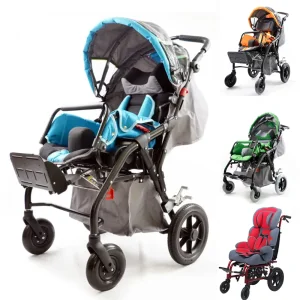
Our commitment to excellence ensures that every product, whether it is a carbon steel all-terrain chair or a child-specific high-back reclining wheelchair for cerebral palsy, is engineered with the end-user's dignity and comfort as the highest priority.