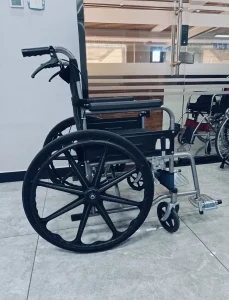
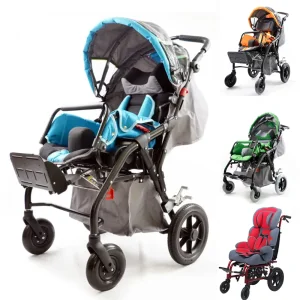
Muv Wheelchair
Muv Wheelchair
Muv Wheelchair
Wheelchair rugby, originally known as "Murderball," has evolved from a recreational activity to a high-stakes Paralympic sport with a massive global following. This transformation has fueled an unprecedented demand for high-performance rugby wheelchairs. Today, the global business for sports wheelchairs is not just about mobility; it's about engineering excellence, durability, and customization. As a leading OEM/ODM Rugby Wheelchair Manufacturer, we recognize that the industry is at a pivotal junction where medical technology meets professional sports engineering.
The industrial status of rugby wheelchairs is characterized by a move towards aerospace-grade materials. Historically, these chairs were heavy and cumbersome. However, modern manufacturing techniques now utilize 7005 heat-treated aluminum and carbon fiber composites to achieve a balance between lightness for speed and extreme rigidity for impact. In regions like North America and Europe, the market is highly competitive, with professional clubs seeking tailor-made solutions that fit an athlete's specific physiological profile and playing position—whether they are "offensive" or "defensive" players.
Expanding markets in Asia and South America are driving new procurement needs for adaptive sports equipment.
Integration of AI-driven design to optimize center of gravity and impact distribution in rugby chairs.
Engineered to withstand high-velocity collisions, ensuring athlete safety and equipment longevity.
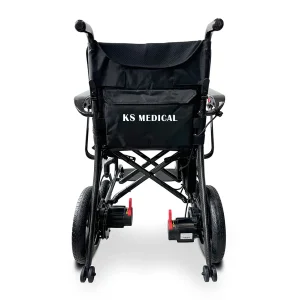
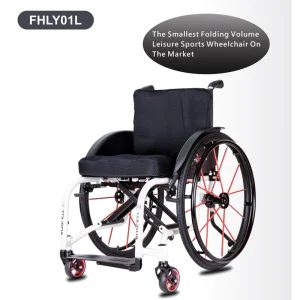
Our commitment to innovation is exemplified by our use of carbon fiber in specialized mobility solutions. While traditional rugby chairs require metal frames for impact, the integration of carbon fiber components in our leisure and training series offers athletes a lightweight alternative for speed training and long-distance endurance. This material's vibration-dampening properties provide superior comfort during high-intensity sessions.
As a specialized factory, we leverage these advanced materials to ensure our products, including the Ksm-507p, meet international standards for weight and structural integrity. This is the cornerstone of our OEM services, providing clients with bespoke options that were once only available to elite professional athletes.
The future of the rugby wheelchair industry is defined by three key trends: Customization (E-Bespoke), Material Hybridization, and IoT Integration. Global procurement teams from NGOs and sports federations are no longer looking for "off-the-shelf" models. They require chairs that can be digitally modeled to the user's body. We use advanced CAD/CAM technology to simulate collision stresses, allowing us to reinforce critical joints while shaving off grams where weight isn't needed.
Furthermore, the "Smart Wheelchair" trend is emerging. Sensors that track speed, distance, and collision force are being integrated into frames to provide real-time data to coaches. As an exporter to 48 countries, we are at the forefront of this digital shift, ensuring our manufacturing lines in Foshan are equipped with the latest robotic arms and automated testing equipment to maintain 100% precision across large-scale wholesale orders.
Procurement needs vary significantly by region. In the Middle East and Africa, there is a burgeoning demand for robust, all-terrain-capable sports wheelchairs for developing rugby leagues. In contrast, the European market focuses heavily on ergonomic certifications and MDR compliance. Our status as an ISO9001 and ISO13485 certified manufacturer allows us to navigate these complex regulatory landscapes, making us a preferred partner for international exporters.
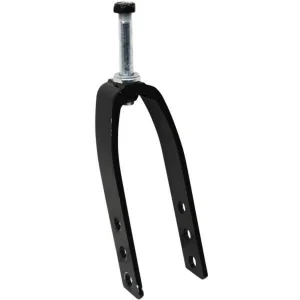
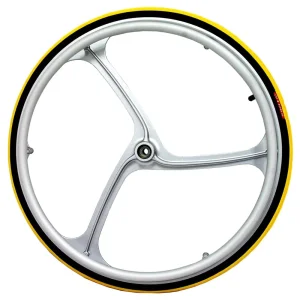
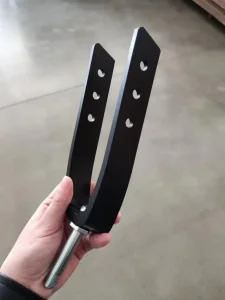
Localized application scenarios often involve multi-use environments. A wheelchair rugby club in a community center might need equipment that is not only high-performing on the court but also easy to maintain and repair with standard tools. This is where our wholesale rugby wheelchair solutions shine. We provide comprehensive accessory kits—including front forks, specialized armrests, and high-traction wheels—ensuring that clubs can keep their equipment in top condition without needing specialized technicians.
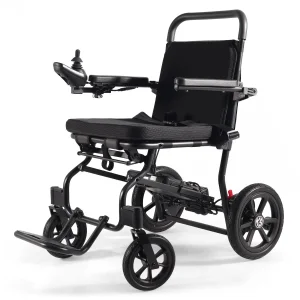
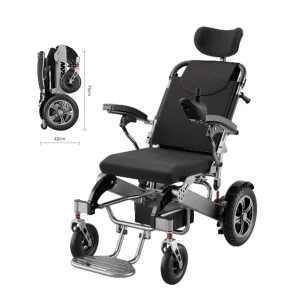
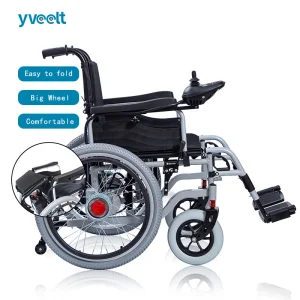
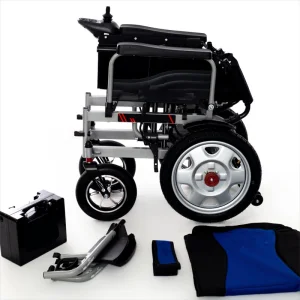
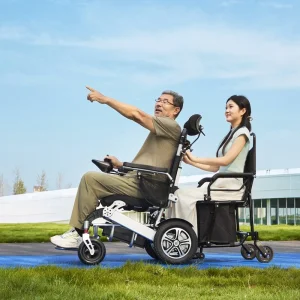
For athletes transitioning from rehabilitation to competitive sports, our lightweight folding electric series provides the perfect bridge. Designed with the same philosophy of maneuverability and speed as our rugby chairs, these models allow for intense mobility training. The Sillas De Ruedas Electrical Lightweight Folding Sport model is engineered for those who demand performance in every aspect of their lives.
By sourcing from our factory, global distributors benefit from our 10,000 sqm production facility, where every unit undergoes rigorous stress testing to simulate the demanding environment of adaptive sports competitions.
The manufacturing cluster in Foshan, China, offers unparalleled advantages in the medical and sports equipment sector. Our self-owned factory, Foshan Wheelchair Report Co., Ltd., represents the pinnacle of this industrial expertise. With over 25 technology patents, we don't just follow industry standards; we set them.
Our products have reached 48 countries, proving that our "Made in China" quality is trusted globally. We are not just manufacturers; we are partners in the growth of adaptive sports, providing the "wings" for athletes to compete at their highest level.
Foshan Wheelchair Report Co., Ltd. self-owned factory covers an area of 10,000 square meters. We have strong research and development capabilities and superior manufacturing capabilities, and we hold independent intellectual property rights for a number of products.

Electric wheelchairs, medical beds, scooters, and related medical equipment.
Suitable for people with disabilities or mobility difficulties.
We currently hold 25 technology patents and 2 software copyrights. We have passed system assessments including ISO9001:2008 and ISO13485:2016. We have obtained CCC, CE, MDR, FDA, and other international certifications.
Automatic equipment, robotic arms, etc.
Our products have been exported to Europe, America, the Middle East, and other regions, covering approximately 48 countries worldwide.