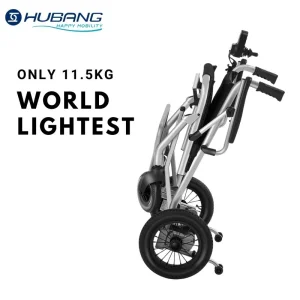
Muv Wheelchair
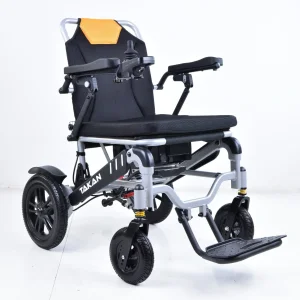
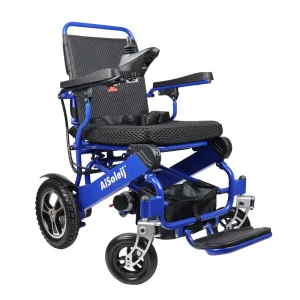
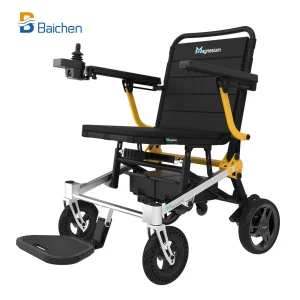
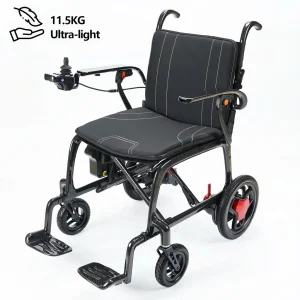

Global Status & Trends of the Foldable Wheelchair Industry
The global foldable wheelchair market is currently experiencing a transformative era, driven by the dual catalysts of demographic shifts and rapid technological innovation. As the world’s population ages—particularly in North America, Europe, and East Asia—the demand for mobility solutions that balance high performance with effortless portability has skyrocketed. Today, a foldable wheelchair factory is no longer just a manufacturing site; it is a hub of biomechanical engineering and smart technology integration.
Global Market Growth
With a projected CAGR of over 6%, the industry is expanding rapidly into emerging markets where healthcare infrastructure is improving.
Smart Tech Integration
IoT-enabled wheelchairs with remote monitoring and AI-assisted navigation are becoming the new standard for modern exporters.
Travel-Ready Designs
Airlines and public transport systems are pushing the need for ultralight, IATA-compliant lithium battery wheelchairs.
The Evolution of Material Science in Mobility
Ten years ago, the majority of foldable wheelchairs were constructed from heavy steel or basic aluminum alloys. In the current industrial landscape, top-tier exporters are pivoting toward Magnesium Alloys and Carbon Fiber. These materials provide an unprecedented strength-to-weight ratio, allowing for chairs that can support up to 150kg while weighing less than 15kg. This shift has redefined the "portability" factor, enabling users to independently load their devices into car trunks or overhead airplane bins.
Cutting-Edge Magnesium Alloy Innovation
Our latest magnesium alloy series represents the pinnacle of lightweight engineering. Magnesium is 33% lighter than aluminum and 75% lighter than steel, yet it offers superior vibration dampening. This results in a smoother ride for the user and less strain on the motor. For global distributors, this means lower shipping costs and a product that stands out in a competitive retail environment.
As a leading Foldable Wheelchair Factory, we have optimized the die-casting process to ensure every frame meets rigorous safety standards while maintaining a sleek, AI-inspired aesthetic.
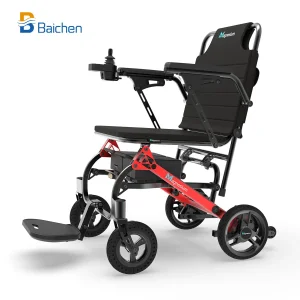
Global Procurement Needs & The B2B Landscape
Global procurement for medical mobility devices has become increasingly complex. Large-scale distributors and government health agencies (such as the NHS in the UK or various Medicare providers in the US) now demand more than just a low price. They require compliance, traceability, and sustainability. Exporters must provide comprehensive documentation, including FDA 510(k) clearances, CE MDR certifications, and ISO 13485 quality management audits.
Furthermore, there is a growing demand for "white-label" or OEM services. Many global brands seek a reliable Chinese factory that can handle the entire lifecycle of a product—from industrial design and prototyping to mass production and global logistics. Our factory, Foshan Wheelchair Report Co., Ltd., excels in this vertical integration, offering customized branding and software adjustments for smart control interfaces.
Key Trends Shaping 2024-2025:
- Brushless DC Motors: Replacing traditional brushed motors to offer higher efficiency, longer lifespan, and quieter operation.
- Voice and Remote Control: Utilizing Bluetooth and smartphone apps to allow users or caregivers to "summon" the wheelchair or adjust settings remotely.
- Regenerative Braking: Safety systems that automatically engage when the user releases the joystick, even on steep inclines.