Muv Wheelchair
Transferring from a wheelchair to a bed can be challenging yet vital for many individuals. It requires not just physical strength but also proper techniques. According to Dr. Sarah Thompson, a renowned physical therapist, “Knowing how to transfer from wheelchair to bed safely can prevent injuries and ensure comfort.” This statement underscores the importance of mastering this skill.
Safety is paramount during transfers. The right techniques reduce the risk of falls and injuries for both the caregiver and the individual. A well-planned transfer can enhance independence and boost confidence. The goal is to create a smooth transition that minimizes discomfort while promoting safety.
It’s essential to recognize that not every transfer will go perfectly. Sometimes, the position or strength might not align as needed. Reflecting on these moments leads to learning and improvement. Understanding the nuances in transfers can make a significant difference. Focus on efficiency, safety measures, and adapt to individual needs for a better outcome.
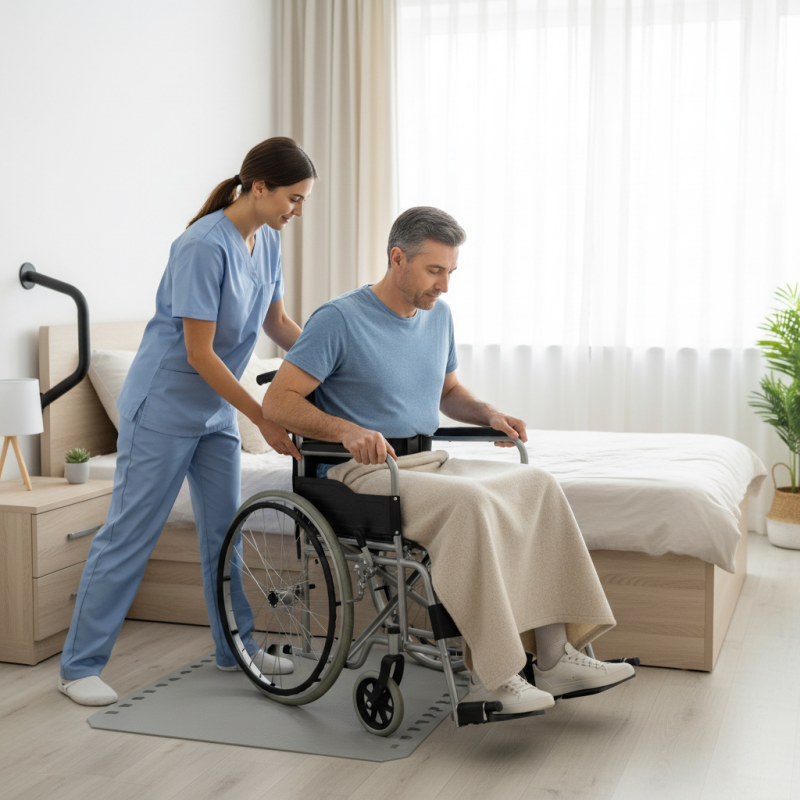
Safe transfers are crucial for wheelchair users. According to the National Institute on Disability, Independent Living, and Rehabilitation Research, up to 40% of wheelchair users experience falls during transfers. These incidents not only lead to physical injuries but can also impact a person's confidence and independence. Understanding effective transfer methods is vital for minimizing risks.
One key tip is to position the wheelchair close to the bed. This reduces the distance and helps maintain balance during the transfer. Using a transfer belt can also provide support and can significantly enhance stability. Communicating with the person transferring can build trust and ensure that both parties are ready.
It’s essential to remember that not every transfer will go smoothly. Some days, a person may feel more tired or unsteady. Respecting these feelings is important, and adjustments may be needed. Practicing regularly can build muscle memory and improve technique, but it's okay to take steps back when needed. Safety should always come first, even if that means adjusting the routine.
Preparing the environment is crucial for a safe transfer from a wheelchair to a bed.
A clutter-free area can significantly reduce the risk of accidents. Research shows that falls can cause serious injuries,
particularly for individuals with mobility challenges. It’s essential to consider both physical and psychological aspects.
An organized space fosters confidence and minimizes fear during transfers.
Begin by clearing pathways of any obstacles. This includes removing furniture, clutter, and anything that might pose a tripping hazard.
It’s also beneficial to position the bed closer to the wheelchair for easier transfers. The American Occupational Therapy Association
highlights that a well-set environment can decrease fall risks by up to 40%. Additionally, ensure
adequate lighting to improve visibility at night, as dim lighting can obscure potential hazards.
Using supportive aids like grab bars can enhance stability. The bed height should ideally match the wheelchair seat, allowing for seamless transitions.
A bed overlay can provide extra comfort. However, improper setup can lead to frustration.
Ensuring the right tools and an accessible layout makes the transfer safer, yet it requires regular assessment and adjustment.
Reflect on these elements often—they can be the difference between a safe transfer and a
painful mishap.
Transferring from a wheelchair to a bed can be daunting. However, with the right techniques, you can perform this move safely and smoothly. Position the wheelchair close to the bed, allowing just a small gap. Ensure that the brakes are locked. This step is vital to prevent slips and ensure stability.
When ready to transfer, lean forward slightly. Shift your weight towards the bed. Engage your core muscles for support during the transfer. Using a transfer board can also help ease the process, providing an additional surface to slide onto the bed. Remember to communicate with your caregiver if help is needed.
Be aware of your body’s response during the transfer. Acknowledge moments of difficulty. Reflect on what went well and what could improve next time. Practicing these techniques builds confidence, but it’s okay to ask for assistance. Safety should always be the priority, so take your time and adjust as necessary. Each transfer is a learning experience.
Transferring from a wheelchair to a bed can be challenging. Using assistive devices greatly enhances safety and comfort during this process. Research indicates that proper assistive tools can reduce the risk of injury by 70%. Devices like transfer boards and hoists make the process smoother. They provide better support and stability, minimizing the chance of falls.
Many users report feeling anxious about transfers. This anxiety can lead to hesitation and uncertainty. Simple aids like grab bars can help build confidence. However, not all devices are created equal. Some may limit mobility or require more upper body strength than others. Finding the right device is essential for both safety and comfort.
An emphasis on training with these devices is crucial. Studies show that caregivers who receive training are 50% more effective in ensuring safe transfers. This can significantly impact the quality of care provided. It's important to reflect on personal experiences to identify what works best. The right assistive devices can empower individuals, making transfers less daunting.
Effective communication and coordination between caregivers are essential for safe transfers from a wheelchair to a bed. Clear instructions can significantly reduce the risk of injury. Caregivers should always discuss the transfer methods in advance. Building trust and understanding creates a smoother process. Using consistent language and signs helps clarify expectations.
Encouraging participation from the person being transferred can also make a difference. They should be aware of the steps involved. The person must understand when to lean or assist. This shared understanding fosters independence. It is crucial to check comfort levels and preferences. Feeling secure during the transfer reduces anxiety for everyone involved.
Not every transfer will go perfectly. Some days may pose challenges due to varying strength levels or fatigue. Open dialogue about these experiences is vital. Reflecting on what worked and what didn’t can lead to better practices. Mistakes should be viewed as learning opportunities. Continual assessment and adjustment to methods can enhance safety and effectiveness in transfers.
: A clutter-free space reduces accidents and enhances confidence during transfers.
Clear furniture and obstacles from the pathway to prevent tripping hazards.
Adequate lighting improves visibility, reducing the risk of falls in dim conditions.
Grab bars and a bed height matching the wheelchair can provide better support.
Lean forward slightly, shift weight, and engage your core muscles for support.
Communicate with caregivers, and practice techniques regularly to build confidence.
Acknowledge difficulties, ask for help, and reflect on ways to improve next time.
Clear communication reduces the risk of injury and creates a smoother transfer process.
Discuss steps in advance, ensuring they understand how to assist during the transfer.
Assess what worked well, what didn’t, and view mistakes as opportunities to learn.
Transferring from a wheelchair to a bed can be a challenging task for many individuals, making it essential to understand how to transfer from wheelchair to bed safely. The process begins with creating a safe environment by removing obstacles and arranging the bed appropriately. Having a clear pathway helps to minimize risks during the transfer.
Employing essential techniques during the transfer can significantly enhance safety and comfort. It’s also beneficial to consider the use of assistive devices that can aid in making the transfer smoother. Furthermore, involving caregivers in the process fosters communication and coordination, which can ensure a safe and effective transfer. By focusing on these strategies, wheelchair users can achieve more secure, independent transitions to their beds.
