 Muv Wheelchair
Muv Wheelchair
Muv Wheelchair
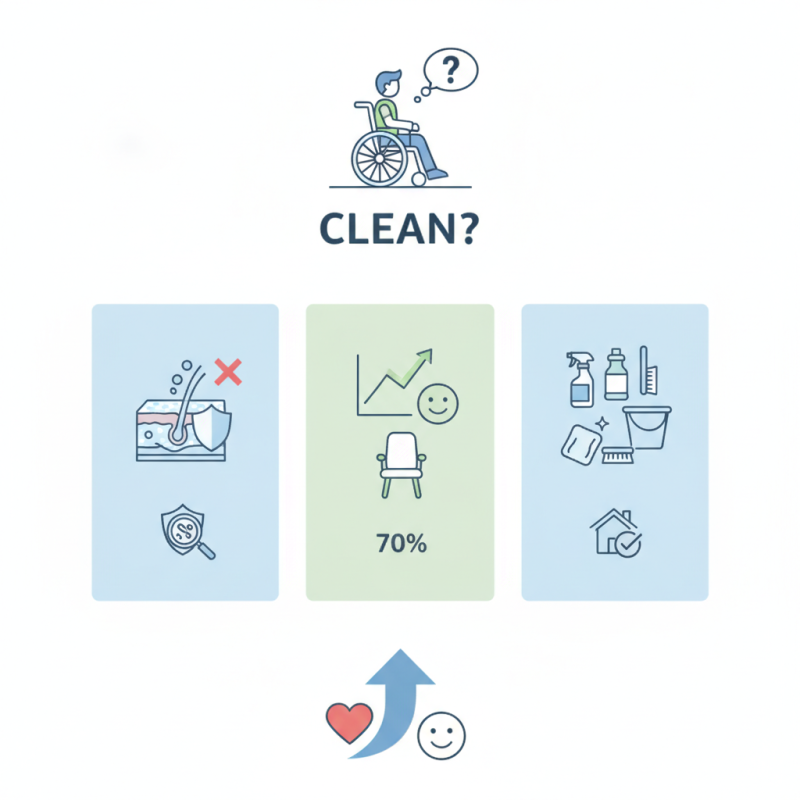
Maintaining a clean wheelchair seat is crucial for comfort and hygiene. According to a study by the National Institutes of Health, improper cleaning can lead to skin infections and other health issues. This highlights the importance of understanding how to clean a wheelchair seat effectively.
Research indicates that over 70% of wheelchair users experience discomfort due to unclean surfaces. Regular cleaning can mitigate this risk. However, many individuals lack the knowledge or resources for effective maintenance. This gap in understanding raises questions about best practices and the need for proper training.
Cleaning a wheelchair seat involves specific tools and techniques. Many users find it challenging to balance effectiveness and convenience. This creates a need for reliable information on simple methods that can be easily implemented at home. By enhancing our knowledge about proper cleaning practices, we can significantly improve overall health and comfort for wheelchair users.
Cleaning a wheelchair seat effectively starts with understanding the materials involved. Wheelchair seats are made from various materials, each requiring specific care. Common materials include canvas, vinyl, and padded upholstery. According to a survey by the National Mobility Equipment Dealers Association, different materials can impact durability and ease of cleaning. For example, canvas is often breathable but may harbor dirt and stains more than vinyl.
Fabric seats are comfortable but absorb spills and odors easily. Regular cleaning is essential, as 72% of wheelchair users reported experiencing discomfort due to dirty seats, according to a 2023 report by the Rehabilitation Engineering Society. On the other hand, vinyl seats are more resistant to stains and easier to wipe down. However, they can become slick when wet, posing a safety risk. Recognizing these characteristics can guide individuals in selecting the right cleaning method and schedule.
Cleaning recommendations vary with each material. Vinegar and water can help with odors on fabric seats, while a mild soap solution works well for vinyl. However, improper cleaning can damage the materials. Over time, scrubbing too hard can lead to fabric fraying or vinyl cracking. These nuances matter significantly for the longevity of a wheelchair seat, and regular maintenance can increase safety and comfort for the user.
| Material Type | Cleaning Method | Recommended Products | Drying Time |
|---|---|---|---|
| Vinyl | Wipe with a damp cloth and mild soap | Mild soap, water, sanitizing wipes | 30 minutes |
| Fabric | Vacuum and use fabric cleaner | Fabric cleaner, vacuum | 1-2 hours |
| PU (Polyurethane) | Wipe with damp microfiber cloth | Microfiber cloth, mild detergent | 20-30 minutes |
| Leather | Use leather cleaner and conditioner | Leather cleaner, conditioner | 1 hour |
| Nylon | Spot clean with water and scrub brush | Mild detergent, scrub brush | 30-60 minutes |
: Gather mild soap, a soft cloth, warm water, and a sponge.
Harsh cleaners can damage the vinyl seat. Use safe products for better care.
Remove loose debris like dust and crumbs to prevent bacteria buildup.
Use a dampened sponge with soapy water. Scrub gently to lift stains.
Sometimes stains persist. Don't be discouraged; regular cleaning helps prevent this.
Aim for weekly cleanings to maintain hygiene and avoid odors.
Yes, check care labels for washing instructions if covers are removable.
Regularly inspect for damage and use a protective cover against dirt.
Don't dwell on it. Just resume your cleaning schedule and stay proactive.
Involve them in the cleaning routine to share responsibility and promote teamwork.
Cleaning a wheelchair seat is essential for hygiene and comfort. To effectively clean a wheelchair seat, it’s crucial to first understand the different types of materials used in these seats, such as fabric and vinyl. Each material requires a tailored approach for cleaning. Gathering necessary supplies, such as mild detergents, soft brushes, and microfiber cloths, is the next step in how to clean a wheelchair seat efficiently.
For fabric wheelchair seats, a careful step-by-step process involving vacuuming, spot cleaning, and thorough rinsing is recommended, while vinyl seats typically require a simpler wipe-down method using appropriate cleaning solutions. Additionally, maintaining a regular cleaning routine helps ensure the wheelchair seat remains in good condition long-term, promoting both cleanliness and durability. By following these guidelines, caregivers and users alike can ensure that wheelchair seats are well cared for, contributing to a healthier and more comfortable experience.
