Muv Wheelchair
Maintaining a wheelchair properly is essential for ensuring safety and prolonging the equipment’s lifespan. Regular maintenance not only enhances performance but also provides users with a sense of security. From checking tire pressure to inspecting brakes, every small detail matters.
Users often overlook the importance of routine care. Many may not realize how basic tasks can prevent major issues. For instance, keeping the wheels clean can reduce wear and tear. Regular lubrication of moving parts helps to avoid mechanical failures.
Understanding how to maintain a wheelchair properly fosters confidence in users. It allows for an improved mobility experience. However, it can be easy to forget these tasks in the hustle of daily life. Reflecting on this can inspire proactive steps towards ensuring that a wheelchair remains reliable and safe.
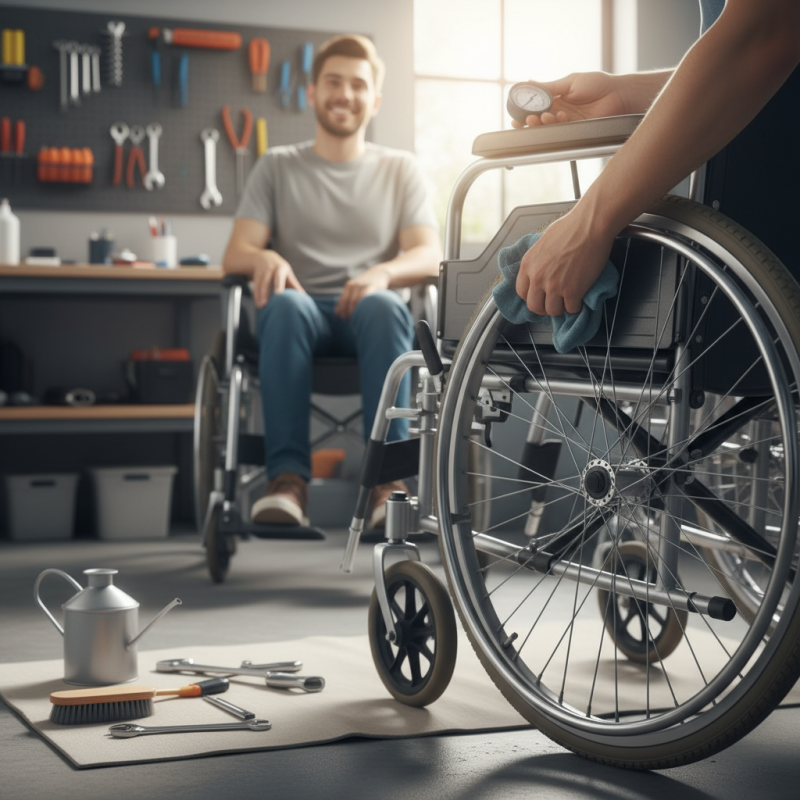
Regular maintenance is crucial for ensuring the longevity and safety of wheelchairs. Check the tires often. Worn-out tires can cause accidents. Make sure they are properly inflated and the tread is in good condition. Also, inspect the brakes. They should function smoothly and engage completely. Delayed response from brakes can lead to hazardous situations.
Next, clean the wheelchair regularly. Dust and dirt can accumulate in the joints and wheels. Use a damp cloth and mild soap to wipe it down. Pay attention to the footrests and armrests. They can easily gather grime. Lubricate moving parts as needed. A squeaky wheelchair may need some oil. This simple step can keep everything functioning well.
Lastly, keep an eye on the frame for any cracks or rust. Addressing these issues promptly can prevent more extensive repairs later. Reflect on your usage patterns; heavy use may need more frequent checks. Overlooking small issues can lead to significant safety concerns. Regular maintenance can be time-consuming, but it is worth it for your safety and comfort.
Checking wheelchair tires is crucial for optimal performance and safety. A report by the National Mobility Equipment Dealers Association states that proper tire maintenance can significantly enhance user safety. Regular checks can prevent accidents caused by flat or damaged tires. According to the same report, 40% of wheelchair users reported tire issues leading to safety concerns.
Tires should be inspected monthly for air pressure and tread wear. Under-inflated tires increase rolling resistance, leading to fatigue and potential accidents. Ideally, maintain pressure within specified limits. For example, 90% of all wheelchair mishaps could be avoided with routine tire inspections. When tread wears down, it reduces grip on surfaces, especially in wet conditions.
User feedback often highlights the need for proper wheel care. Many users neglect this aspect until issues arise. Regular maintenance, like cleaning and checking for debris, adds years to the life of the tires. Documenting inspections can help track performance. Tire maintenance is not just about longevity; it is about safety. Ignoring it can lead to serious consequences.
Regular inspection and lubrication of wheelchair moving parts are crucial for safety and longevity. Research shows that improper maintenance can lead to a 30% increase in repair costs. A thorough inspection should include wheels, brakes, armrests, and footrests. Pay attention to wear and tear. Check wheels for cracks or flat spots. This simple step can prevent accidents.
Lubricating moving parts reduces friction and prolongs life. Use silicone spray or grease on joints and wheel axles. A 2019 report noted that consistent lubrication increased wheelchair efficiency by 25%. Schedule maintenance every few months or as needed. Consider factors like usage frequency and environment. Keeping an eye on small details can prevent bigger issues later on.
Reflecting on maintenance routines is essential. Many users overlook small signs of wear, which can lead to bigger problems. Staying proactive can improve mobility and safety. Prioritize regular checks. Making these efforts will enhance both the user experience and the wheelchair's overall durability.
Maintaining a wheelchair requires regular cleaning and maintenance to ensure safety and longevity. A clean wheelchair is vital for operating effectively and preventing possible injuries. Regular checks can help in spotting issues before they worsen.
When cleaning your wheelchair, use a gentle soap solution and a soft cloth. Avoid harsh chemicals that can damage the frame or fabric. Pay special attention to the wheels and brakes. Dust and grime can accumulate here, affecting performance. Remember to dry the wheelchair thoroughly after cleaning to prevent rust or mold build-up.
Tips for wheelchair upkeep: inspect the tires for wear and tear regularly. Keep them inflated to the recommended pressure. Monitor the brakes for responsiveness; any slippage can lead to falls. Relying solely on cleaning might not suffice; routine professional check-ups can catch potential problems early. Neglecting these small aspects may lead to bigger issues down the line. Regular care ensures the wheelchair remains safe and reliable for daily use.
| Maintenance Activity | Frequency | Recommended Cleaning Solution | Additional Tips |
|---|---|---|---|
| Seat Cushion Cleaning | Weekly | Mild soap and water | Ensure the cushion dries completely to avoid mold. |
| Wheel Inspection | Monthly | N/A | Check for wear and tear; replace if necessary. |
| Frame Cleaning | Weekly | All-purpose cleaner | Use a microfiber cloth to avoid scratches. |
| Brake Check | Bi-weekly | N/A | Test brakes on a slight slope. |
| Tire Pressure Check | Monthly | N/A | Keep tires inflated to recommended PSI. |
When maintaining a wheelchair, identifying signs of wear is crucial for both safety and longevity. Regular inspections are essential. Check the wheels for any cracks or chips. A worn-out tire can compromise stability. If the tire tread is low, it's time for a replacement. Look closely at the brakes. If they don’t engage properly, this can lead to accidents. Testing the brake strength should be part of your routine.
Frame integrity is another key area. Look for signs of rust or bent frames. An uneven frame affects balance and safety. Seat cushions can also degrade over time. If you notice discomfort while sitting, consider replacing the cushion. Inspect the armrests and footrests as well. These parts can wear down, leading to increased strain during use.
Reflect on your maintenance routine. It’s easy to overlook small signs of wear. However, remaining vigilant can prevent bigger issues. Documenting any changes or repairs will also help you stay organized. Your safety and comfort depend on a well-maintained wheelchair. It's a constant process that requires attention and care.
: Proper tire maintenance enhances user safety and prevents accidents.
Tires should be checked monthly for air pressure and tread wear.
Under-inflated tires increase rolling resistance, leading to user fatigue and accidents.
Regular cleaning and checking for debris can prolong tire lifespan.
Lubricate moving parts like joints and wheel axles to reduce friction.
Ignoring small signs of wear can lead to more significant issues later.
Use a gentle soap solution and a soft cloth; avoid harsh chemicals.
A clean wheelchair prevents injuries and ensures effective operation.
Regularly check the brakes for responsiveness; slippage can lead to falls.
Yes, routine professional inspections can catch potential problems early.
Maintaining a wheelchair properly is essential for ensuring both its longevity and safety. Regular maintenance involves checking the tires to ensure optimal performance, as well as inspecting and lubricating all moving parts to prevent wear and tear. Additionally, implementing effective cleaning techniques can help extend the lifespan of the wheelchair, ensuring a hygienic and functional experience for the user.
It's also crucial to identify signs of wear over time and recognize when components need replacement. By staying vigilant and proactive about maintenance, users can keep their wheelchairs in excellent condition, ultimately enhancing safety and reliability for everyday use.
