Traveling with a wheelchair can be challenging, especially when it comes to flying. According to a report by the International Air Transport Association (IATA), nearly 30% of passengers with reduced mobility encounter difficulties during air travel. Understanding how to travel with a wheelchair on a plane is crucial for ensuring a smooth and enjoyable experience.
Expert advice from Michael Mills, a mobility advocate, highlights the importance of preparation. He states, "Planning ahead can significantly reduce travel stress for individuals with mobility challenges." Each airline has different policies regarding wheelchair assistance, so familiarizing yourself with these can make a big difference.
Additionally, it is essential to consider accessibility at airports. While many have improved facilities, emergencies may still arise. Think about the challenges you might face. Reflecting on experiences shared by others can guide you in navigating potential obstacles. The goal is to make your journey as comfortable as possible while embracing the adventure of travel.
Pre-Travel Planning: Researching Airlines and Accessibility Options
Traveling with a wheelchair can be challenging, but with proper planning, it can be more manageable. Start by researching airlines. Check their policies on accessibility and wheelchair assistance. Contact them directly to get accurate information. Some airlines may offer better services than others. This could make a big difference in your travel experience.
When booking your flight, ask about boarding procedures. Some airlines have pre-boarding options for passengers with disabilities. It's essential to know if they provide wheelchairs at the airport or if you need to bring your own. Always request any assistance at least 48 hours in advance.
Prepare for potential hiccups. Not all airports are fully accessible. Some terminals might have limited wheelchair ramps or elevators. Be ready for unexpected delays. It’s wise to arrive at the airport early. This extra time can reduce stress and give you room to adjust to unforeseen circumstances. Lastly, always double-check your boarding gate and flight status. Keeping communication open with staff is crucial.
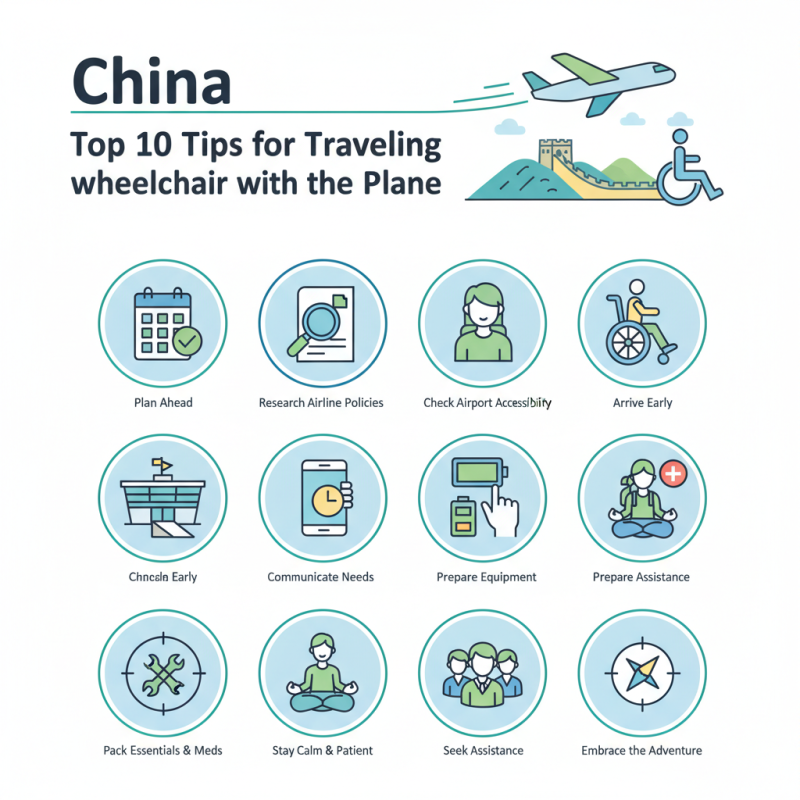
China: Top 10 Tips for Traveling with a Wheelchair on a Plane
Booking Your Flight: Special Assistance and Seat Selection Tips
When booking a flight, special assistance is crucial for travelers with wheelchairs. Always inform the airline about your needs during the booking process. Mention if you require help getting to the gate or boarding. Most airlines offer assistance at no extra charge. However, it's wise to confirm these details to avoid surprises at the airport.
Seat selection is equally important. Aim for an aisle seat. It provides easier access and more space to maneuver. In some aircraft, bulkhead seats offer additional legroom. However, they may not always be available. Additionally, be aware of the limitations of certain aircraft. Not all planes are wheelchair-friendly. Research the model before booking.
Be prepared to face some challenges. Sometimes, even with advance notice, assistance may not be available. In those instances, having a backup plan is essential. Ask fellow travelers for help if needed. A positive attitude can make a difference when navigating these obstacles. Stay flexible and open-minded to make your travel experience smoother.
Arriving at the Airport: Navigating Check-In and Security Procedures
Traveling with a wheelchair can be challenging, especially when it comes to airport procedures. Preparing for check-in and security can reduce stress. Data from the International Air Transport Association (IATA) suggests that about 30% of passengers with disabilities report difficulties during airports' check-in processes. Having a plan helps.
Consider calling the airline ahead of your journey. This allows you to confirm accessible assistance at check-in. Many airports offer dedicated help. Arrival at the airport requires patience. You may find long lines or sudden changes in procedures. Studies show that more than 60% of travelers with disabilities express difficulty at security checkpoints. It’s important to understand what to expect and to communicate clearly.
Also, familiarize yourself with the layout of the airport. Most major airports provide online maps, highlighting accessible routes. However, signage can be unclear. It’s wise to arrive earlier than necessary to navigate effectively. Prepare necessary documents, such as medical information or proof of your disability assistance needs. This preparation often results in smoother travel experiences.
Boarding the Plane: Techniques for a Smooth Transition with a Wheelchair
Boarding a plane with a wheelchair can be daunting. It's essential to prepare for a smooth transition. Many airlines have specific protocols for passengers with mobility challenges. According to a recent study, 30% of travelers have reported difficulties while boarding planes. Understanding your rights and the procedures can alleviate some of these issues.
When arriving at the airport, communicate your needs early. Notify the airline about your wheelchair assistance requirements at check-in. Using a lightweight, collapsible wheelchair can ease navigation through narrow aisles. Some passengers find boarding bridges uncomfortable. If possible, request a service that allows you to board before others. This can minimize stress and discomfort.
Remember, not all airlines follow the same guidelines. Some may lack resources. Researching airline accessibility ratings can provide crucial insights. A 2022 survey showed that only 60% of airlines received positive reviews regarding wheelchair services. Such statistics highlight the importance of being proactive. Consider creating a checklist to ensure nothing is overlooked. Many find that being prepared boosts their confidence and comfort during travel.
In-Flight Considerations: Communicating Needs and Managing Comfort
Traveling with a wheelchair can be a rewarding experience, but it comes with unique challenges. In-flight considerations are crucial for ensuring comfort and communication. Informing the airline about your needs helps in arranging suitable accommodations. Share specific requirements, like seat preferences and assistance levels, well in advance. Not all flights offer the same services, so clarity is key to a smoother experience.
Managing comfort during the flight is vital. Always check accessibility features on the aircraft. If seating arrangements don't meet your needs, communicate this to flight attendants promptly. Bring personal comfort items, such as pillows or blankets, to enhance your experience. Remember, not every situation will be ideal; some flights may have unexpected issues. Staying calm and expressing your needs clearly can make a difference.
Upon boarding, take a moment to settle in. It may take time to adjust to your surroundings. Using noise-canceling headphones can reduce distractions. Consider packing light snacks and entertainment to help pass the time. Managing expectations is essential; sometimes, delays and inconveniences occur. Staying proactive and prepared can empower you to navigate these challenges effectively.
FAQS
: Check airline policies on accessibility and wheelchair assistance. Contact airlines directly for accurate information.
Inform the airline about your needs when booking. Request assistance at least 48 hours in advance.
Be prepared for limited ramps or elevators. Arrive early to manage potential delays and reduce stress.
Aim for an aisle seat for easier access. Bulkhead seats can offer more legroom but may have availability issues.
Assistance may not always be available even with notice. It's important to have a backup plan in such situations.
Stay flexible and maintain a positive attitude. Communicating with staff and fellow travelers can help navigate obstacles.
Conclusion
Traveling with a wheelchair on a plane requires careful planning and preparation to ensure a smooth journey. The first step involves thorough pre-travel research, focusing on airlines and their accessibility options. When booking your flight, it's crucial to request special assistance and select seats that accommodate your needs. Upon arrival at the airport, navigating check-in and security procedures can be facilitated by understanding the protocols in place for passengers with mobility challenges.
During the boarding process, utilizing techniques that promote a smooth transition into your seat will enhance the overall experience. In-flight, clear communication of your needs to the flight attendants is essential for managing comfort. By following these tips on how to travel with a wheelchair on a plane, travelers can enjoy a more comfortable and enjoyable flying experience.
 Muv Wheelchair
