Muv Wheelchair Muv Wheelchair

2026 Top Wheelchair Ramps How Do Users Go Up Ramps?

Time:2026-09-19 Author:Aria
0%

Learning how do wheelchair users go up ramps begins with more than measuring slope. It requires understanding balance, grip, wheelchair type, fatigue, and the ramp’s surface. A manual wheelchair user may push both handrims steadily, pause on a landing, and lean slightly forward for stability. A power wheelchair user may adjust speed and traction settings instead. The safest technique depends on the person.

In this 2026 guide, we examine top wheelchair ramps through practical, user-focused details. We consider ramp length, gradient, width, edge protection, handrails, surface texture, and weather resistance. A wet aluminum ramp can feel very different from a dry rubber threshold ramp. Small changes matter. A loose transition strip may interrupt a smooth approach and increase effort.

We also compare guidance from accessibility professionals, occupational therapists, experienced wheelchair users, and reputable ramp manufacturers. Their perspectives help separate useful design from attractive but impractical features. Product claims still deserve careful checking. A ramp described as “portable” may be difficult to lift into a vehicle. A ramp that fits a doorway may not provide enough distance for comfortable climbing.

Real use is rarely perfect. Users may approach at an angle, misjudge a landing, or need assistance unexpectedly. This guide does not replace individual assessment. Instead, it explains how ramp design and personal technique work together. By focusing on control, confidence, and measurable safety features, readers can make more informed choices for homes, vehicles, workplaces, and public entrances.
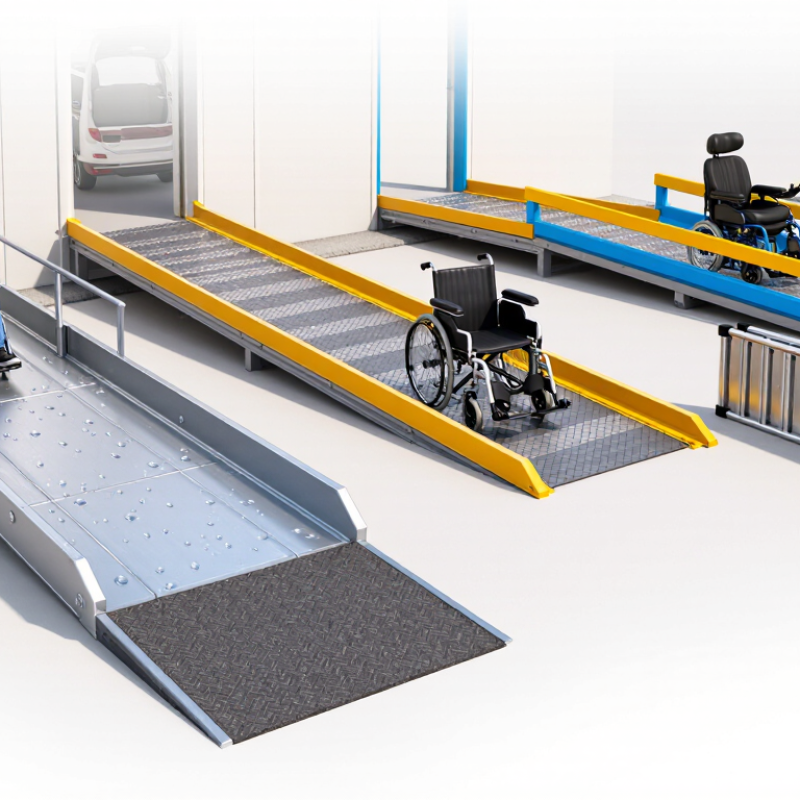
2026 Top Wheelchair Ramps How Do Users Go Up Ramps?

What Wheelchair Ramps Are and How They Support Safe Access

Wheelchair ramps are sloped pathways that connect different levels, such as door thresholds, curbs, and porches. A ramp is not simply a piece of metal. It must provide a stable, predictable route for wheelchair users, caregivers, and people with limited mobility. Safe access depends on more than length. The surface should resist slipping, the width should allow controlled movement, and raised edges can help prevent wheels from leaving the path.

Users generally approach the ramp straight on and reduce speed before climbing. Manual wheelchair users may need a steady rhythm, while powered wheelchair users should follow the equipment’s recommended speed and incline limits. Rest platforms can reduce fatigue on longer routes. Handrails may support users who can walk but struggle with steps. Clear space at the top and bottom also matters, because turning in a cramped area can cause a loss of control.

Small details matter. Rain, loose gravel, ice, or a curled mat can make a careful ramp unsafe. Regular checks should look for movement, cracks, blocked landings, and poor lighting. A ramp may appear suitable but still feel difficult when the user carries a bag or faces wet conditions. This is where practical testing is valuable. Ask real users to try the route, observe where effort increases, and adjust the design when possible. Accessibility guidance should also be reviewed because requirements differ by location. No ramp works perfectly for every wheelchair, which is an important limitation to acknowledge.

2026 Top Wheelchair Ramps: How Do Users Go Up Ramps?

A wheelchair ramp creates a gradual route between different levels. The chart shows the horizontal distance required to overcome a 24-inch vertical rise at several slope ratios. A larger ratio means a gentler slope and a longer ramp.

Under the U.S. ADA Standards, the maximum slope for most accessible ramps is 1:12, meaning 1 inch of rise requires at least 12 inches of horizontal run. Gentler slopes, such as 1:16 or 1:20, reduce the effort needed to move upward but require more space. Safe access also depends on stable surfaces, handrails where required, edge protection, landings, and adequate clear width.

Data basis: horizontal run is calculated as vertical rise × slope denominator; values shown for a 24-inch rise. Accessibility requirements may vary by location and ramp type.

How Users Prepare Before Going Up a Wheelchair Ramp

Before going up a wheelchair ramp, users should inspect the route from a seated position. Check the surface for water, gravel, leaves, or loose edges. Even a small stone can disturb the front casters.

Confirm that the ramp feels stable and has enough width. Check the slope, handrails, side guards, and landing area.

If the ramp looks too steep, ask a trained professional for advice before using it. A caregiver can stand nearby, but should not pull the chair without clear communication. Unplanned help can cause balance problems. Say what assistance you need.

Prepare the wheelchair carefully. Lock the brakes while positioning the chair. Move footrests away from obstacles, and keep loose clothing clear of the wheels. Place both feet securely on the footrests.

Sit upright, keep your hands inside the push rims, and lean slightly forward when moving uphill. Users with powered chairs should check the battery and select a controlled speed. Slow is safer.

Take a breath. Begin with steady pressure, not a sudden push. Stop on a level landing if your arms feel tired. Do not turn sharply on the slope.

I sometimes notice that people focus on reaching the top and forget the first few seconds of preparation. That small delay matters. Wet conditions, fatigue, or poor visibility may change the safest choice, so postponing the trip can be reasonable.

Step-by-Step Techniques for Moving Up a Wheelchair Ramp

Moving up a wheelchair ramp requires controlled movements, patience, and a quick safety check. Inspect the surface for water, loose gravel, leaves, or damaged edges. Confirm that the ramp feels stable and wide enough for your chair. Check tire pressure, footplates, brakes, and battery level before starting. Ask a trained caregiver or therapist to review the technique if the slope feels unfamiliar.

Line the wheelchair straight with the ramp. For a manual chair, place both hands firmly on the push rims and lean slightly forward. Push with short, even strokes instead of pulling hard once. Keep your shoulders relaxed and watch the upper section of the ramp. Stop if needed. Rest with the chair facing uphill, using the brakes carefully. Do not turn sideways on a narrow slope.

For a powered wheelchair, select a low speed and keep the wheels aligned. Avoid sudden stops, sharp turns, or reversing near the edge. A caregiver should walk beside the chair, not pull it from behind, unless a qualified professional gives different instructions. Wet ramps may change traction more than expected. Even experienced users can misjudge fatigue, especially near the top. Keep breathing. If the chair begins rolling backward, stay calm, hold the rims or controls, and request assistance. Practice on a short, dry ramp first, because confidence can arrive before reliable control.

How Caregivers Can Assist on Different Ramp Designs

A caregiver’s technique should change with the ramp design, not only the wheelchair.

The World Health Organization reports that about 1.3 billion people experience significant disability worldwide. Many need practical assistance in ordinary access situations.

On a straight ramp, the caregiver should stay behind the chair, keep both hands on the push handles, and move slowly. Short pauses help prevent fatigue.

Never pull from the front unless the chair’s instructions specifically allow it.

The U.S. Access Board describes a 1:12 maximum slope for many accessible routes. That means 12 inches of ramp length for every inch of rise. Even this slope can feel demanding on a wet portable ramp.

For switchback or modular ramps, caregivers should approach each turn widely and check that the rear wheels remain centered. On folding ramps, confirm that hinges are fully locked before movement.

Small errors matter. A few centimeters near an edge can change the chair’s balance.

Threshold ramps require a different rhythm.

The caregiver should reduce speed, square the front casters, and cross the lip without twisting.

For steep sections, a second trained person may stabilize the chair, especially when the user has limited trunk control.

The Access Board also identifies handrail needs for ramps with greater rises. Still, written standards cannot predict every home, body type, or chair configuration.

A supervised practice run is often more revealing than a perfect-looking installation.

Safety Checks for Wheelchair Ramp Use in 2026

How do wheelchair users go up ramps safely in 2026? They need more than strength. They need a stable surface, enough space, and time to control each movement. The World Health Organization’s Global Report on Health Equity for Persons with Disabilities (2022) estimates that 1.3 billion people experience significant disability. Accessible design affects everyday safety at a very large scale.

Before climbing, inspect the ramp. Look for water, leaves, loose gravel, glare, and damaged edges. The 2010 ADA Standards recommend a maximum running slope of 1:12, level landings, and a clear width of at least 36 inches. Users should approach straight, keep both hands ready, and make short, steady pushes. Leaning slightly forward may improve balance, but excessive leaning can reduce control. Power-chair users should select a slow setting and avoid sudden turns. Never pull a manual wheelchair upward by its push handles alone. That mistake still happens.

Tips: Check brakes before moving. Test the surface with one wheel. Pause on a landing. Keep bags off the front casters. A helper should walk behind or beside the chair, not rush the user. The National Safety Council’s Injury Facts 2024 identifies falls as a leading cause of preventable injury death. A perfect checklist cannot predict every wet glove or tired arm. Recheck the route after rain, repairs, or darkness.

FAQS

What should I check before moving up a wheelchair ramp?

Inspect for water, leaves, loose gravel, glare, and damaged edges. Check tire pressure, brakes, footplates, and battery level. A quick check matters.

How should a manual wheelchair user approach a ramp?

Line the chair straight with the ramp. Place both hands on the push rims and lean slightly forward. Use short, even pushes instead of one hard pull.

What should I do if I become tired while climbing?

Stop only when the chair is facing uphill. Apply the brakes carefully and rest briefly. Do not turn sideways on a narrow slope. Fatigue can arrive suddenly.

How should powered wheelchair users climb safely?

Choose a low-speed setting and keep the wheels aligned. Avoid sudden stops, sharp turns, and reversing near edges. Wet surfaces may reduce traction more than expected.

How can a caregiver assist on a straight ramp?

Walk behind the chair and hold both push handles. Move slowly, using short pauses to reduce fatigue. Never pull from the front unless approved instructions allow it.

How should caregivers handle turns and folding ramps?

Approach switchback turns widely and keep the rear wheels centered. Check that folding-ramp hinges are fully locked before movement. Small errors can affect balance.

What is important when crossing a threshold ramp?

Reduce speed, square the front casters, and cross the raised lip without twisting. A second trained helper may stabilize the chair on steep sections. Keep it controlled.

What should I do if the chair rolls backward?

Stay calm and keep control of the rims or operating controls. Request assistance rather than forcing the climb. Practice on a short, dry ramp first. Confidence may come before reliable control.

Conclusion

Wheelchair ramps provide a practical route between different levels, but safe access depends on more than simply moving forward. Before starting, users should check the ramp’s slope, surface, width, edges, and surrounding space. They should secure footrests, position their feet and hands comfortably, remove loose items, and make sure the wheelchair’s brakes and tires are working properly. Understanding how do wheelchair users go up ramps helps highlight the importance of controlled movement, good posture, and careful preparation.

When ascending, users should move slowly, keep the wheelchair aligned with the ramp, and use steady pushes rather than sudden force. Power wheelchair users should select an appropriate speed and avoid abrupt changes in direction. Caregivers can assist from a safe position when needed, especially on steep, narrow, curved, or portable ramps, while avoiding unnecessary pulling or pushing. In 2026, regular safety checks should include secure connections, dry and clean surfaces, stable handrails, adequate lighting, and clear entry and exit areas. Retracing these steps can make ramp use safer, more comfortable, and more predictable.

Aria

Aria

Aria is a dedicated marketing professional with a deep passion for innovative strategies and a keen understanding of our company's product offerings. With a wealth of experience in the industry, Aria excels at crafting engaging content that highlights the unique features and benefits of our......