Muv Wheelchair Muv Wheelchair

How do wheelchair users travel alone safely and independently?

Time:2026-06-27 Author:Charlotte
0%

Traveling independently poses unique challenges for wheelchair users. Many desire to foster autonomy in their journeys. Reports suggest that only 36% of wheelchair users feel safe traveling alone. Factors such as accessibility, personal safety, and environmental barriers significantly affect their experiences.

Understanding how do wheelchair users travel alone requires a focus on adaptable solutions. Technology plays a crucial role. Adaptive navigation apps and accessible public transport information can empower users. More cities are prioritizing accessibility, but the journey remains uneven. The need for reliable resources and local support is evident.

Genuine independence often comes with obstacles. Some wheelchair users find themselves in situations where facilities are inadequate. Additionally, the unpredictability of public spaces can create anxiety. Advocates stress the importance of community and education. As society evolves, promoting a culture of inclusion will help pave the way for secure travels.
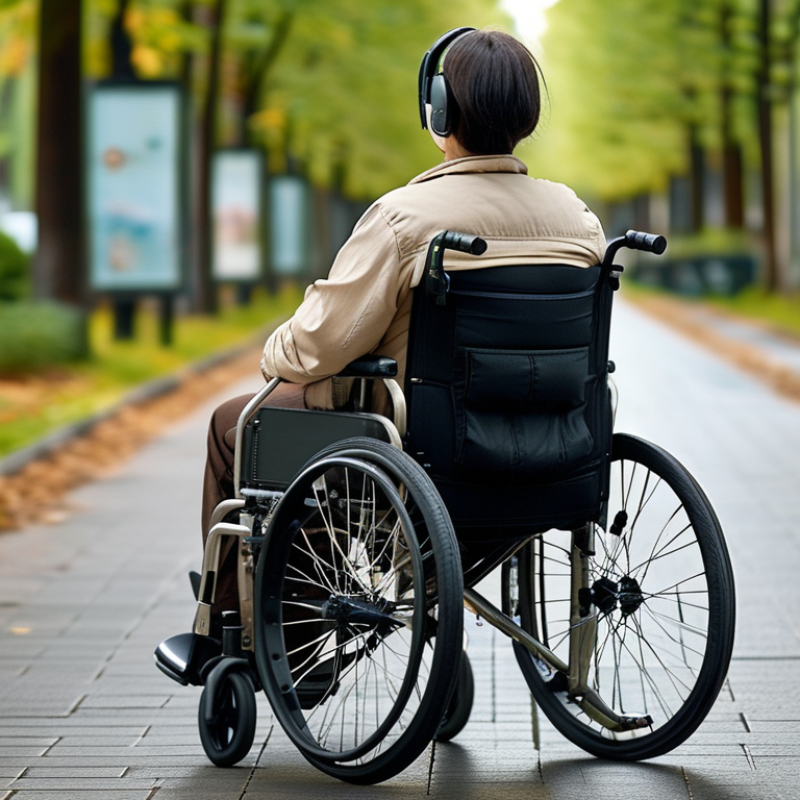
How do wheelchair users travel alone safely and independently?

Understanding the Unique Challenges Faced by Wheelchair Users

Traveling alone can be empowering for wheelchair users, yet many face unique challenges. Navigating busy streets or public transport presents obstacles. Curbs without ramps can disrupt journeys. Non-accessible buses can make planning difficult. These barriers often lead to frustration and hinder independence.

Safety is also a concern. Wheelchair users may encounter unwelcoming environments. Dark, isolated areas can pose risks. Public spaces vary in accessibility. Users must often evaluate surroundings before venturing out. Having a reliable smartphone or GPS can aid in navigating safely.

Despite these hurdles, many wheelchair users find ways to travel independently. Portable ramps and specialized navigation apps enhance mobility. However, more awareness is needed in communities to support inclusive access. Each journey can reveal gaps in infrastructure, prompting important discussions. Encouraging feedback from users can lead to better solutions. Achieving true independence requires ongoing efforts and reflections on existing challenges.

Essential Navigation Tips for Independent Travel

For wheelchair users, navigating independently can be daunting. Research shows that about 70% of wheelchair users report facing challenges during solo travel. Preparing in advance can significantly enhance their experiences. Use reliable mapping apps designed for accessibility. These apps often highlight wheelchair-friendly routes, helping in planning stops and ensuring safe and comfortable rest areas.

Understanding local transit options is crucial. Many cities have rideshare services equipped for wheelchairs. However, not all provide the same level of accessibility. Approximately 30% of users experience difficulties when booking rides. This uncertainty can discourage solo travel. Familiarizing oneself with local transportation rules is essential. Engage with local organizations for up-to-date information on accessibility resources.

Self-advocacy plays a key role in the journey. It’s vital to communicate needs clearly. Many wheelchair users report mixed experiences with accommodations. Some encounters are positive, while others reveal gaps in services. Reflecting on these interactions can help users prepare and adjust their travel strategies for future trips. Each experience contributes to a deeper understanding of the navigational landscape.

Safety Equipment and Tools for Wheelchair Users on the Go

Traveling alone as a wheelchair user can present unique challenges. The right safety equipment makes a world of difference. Mobility aids are essential. A good quality, adjustable wheelchair can enhance independence. Ensure your chair is suited to various terrains. Strong, durable tires are crucial for traveling on sidewalks and trails.

Personal safety tools are important as well. Consider a compact safety alarm. It can alert others in emergencies. A reliable phone with emergency contacts stored is vital. Small, portable ramps can help access different locations. Invest in a sturdy backpack. It keeps essential items secure while on the move.

Even with these tools, challenges remain. Unexpected barriers can arise, like curbs or steps. All users have faced minor accidents or mishaps. It’s natural to feel frustrated. Reflect on these experiences. They provide opportunities for growth and better planning. Ultimately, being prepared increases confidence when exploring the world alone.

Planning Accessible Routes and Destinations

Planning accessible routes and destinations is crucial for wheelchair users seeking to travel independently. Research from the World Health Organization highlights that nearly 15% of the world's population lives with some form of disability. Proper planning can enhance safety and ensure a smoother travel experience.

One challenge is finding routes with curb cuts and ramps. Always check local resources for updated maps that indicate accessible paths. Using mobile apps specifically designed for wheelchair navigation can make a significant difference. These tools provide real-time information about accessibility features. They can save time and prevent frustration during trips.

Tips: Always communicate your travel plans with someone. This can be a friend or family member. It's wise to share your route and expected arrival time. In case of an emergency, this information is vital. Additionally, be aware of your surroundings. Some areas may have unexpected obstacles that could alter your planned route.

Traveling independently as a wheelchair user is possible. However, it requires thoughtful considerations and thorough preparations. Evaluate your destination before leaving. Consider the terrain, available facilities, and potential challenges along the way. Traveling should empower, not overwhelm.

Building Confidence for Solo Travel Experiences

Traveling alone is a significant step for many wheelchair users. It requires not just physical preparation but also mental readiness. Building confidence starts with familiarity. Exploring local areas first helps create a comfort zone. Visiting accessible parks or venues allows for practice in navigation. Each small outing builds skill and reassurance.

Developing a routine can help in planning. Knowing the locations of ramps, accessible restrooms, and parking spots can ease anxiety. Carrying a mobile phone is essential. This tool provides security and access in emergencies. Informing friends or family about your plans adds an extra layer of safety. They can check in during your outing.

Mistakes are inevitable in solo travel. A wrong turn may lead to a challenging situation. Learning from these experiences is important. They provide insights into better planning for the next trip. Every experience, good or bad, shapes resilience. Self-discovery often comes through overcoming obstacles. With time and practice, independence grows, opening new horizons for adventure.

Travel Independence: Considerations for Wheelchair Users

This chart demonstrates the importance levels of various factors for wheelchair users when traveling alone. It highlights the significance of accessibility, safety, and preparation in building confidence for solo travel experiences.

FAQS

: What are common challenges faced by wheelchair users when traveling alone?

: Busy streets and public transport can pose navigation obstacles. Non-accessible buses complicate travel planning.

How does safety concern affect wheelchair users?

Unwelcoming environments and dark areas can pose risks. Users must evaluate surroundings for safety before venturing out.

What tools can enhance travel independence for wheelchair users?

Portable ramps and specialized navigation apps can enhance mobility. A good quality, adjustable wheelchair is also essential.

Why is community awareness important for wheelchair access?

More awareness can support inclusive access. It helps in revealing gaps in infrastructure that need attention.

How can users prepare for unexpected barriers during travel?

Carry personal safety tools like compact alarms. Strong, durable tires on wheelchairs are also necessary.

What should wheelchair users keep stored on their phones?

Emergency contacts should be easily accessible. This is vital for safety during travels.

How can reflections on travel experiences benefit wheelchair users?

Reflecting on minor accidents helps with better planning. Learning from these experiences fosters growth and independence.

What essential item can help organize belongings for wheelchair users?

A sturdy backpack is crucial for keeping essential items secure while on the move.

Why is it essential to have reliable safety equipment?

Safety equipment helps in emergencies and increases confidence while traveling. It makes navigating the world easier.

What can wheelchair users do to build confidence in exploring?

Being prepared for journeys, despite challenges, boosts confidence. Ongoing efforts and reflections improve travel experiences.

Conclusion

Traveling independently can be a challenging yet rewarding experience for wheelchair users. The article explores **how do wheelchair users travel alone** by addressing unique obstacles they face, such as navigating public spaces that may not always be accessible. It emphasizes the importance of familiarizing oneself with essential navigation tips, including utilizing apps and resources that highlight accessible routes.

To enhance safety on the go, the article suggests various equipment and tools, like compact ramps and mobile charging devices, which facilitate smoother travel experiences. Planning ahead is crucial, as it allows users to choose accessible routes and destinations. Ultimately, building confidence through positive solo travel experiences empowers wheelchair users to embrace their independence and explore the world with assurance.

Charlotte

Charlotte

Charlotte is a seasoned marketing professional with a deep understanding of the company's portfolio and a passion for elevating its presence in the market. With a keen eye for detail and a commitment to excellence, she ensures that our professional blog is regularly updated with insightful articles......