 Muv Wheelchair
Muv Wheelchair
Muv Wheelchair
Explore our high-performance power wheelchairs, manual transport devices, and orthopedic support systems engineered for global healthcare standards.
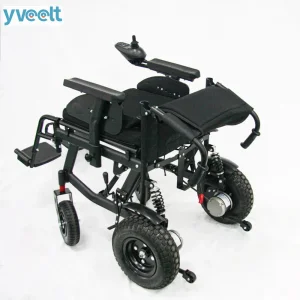
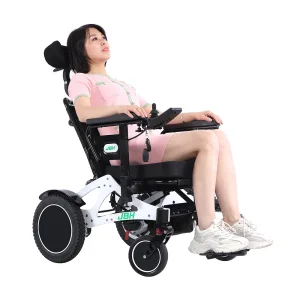
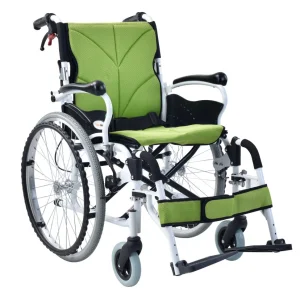
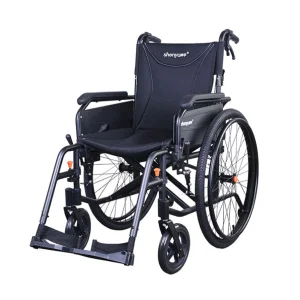
Analyzing macroeconomic drivers, technological shifts, and supply chain dynamics reshaping global rehabilitation equipment procurement.
The global demand for medical rehabilitation equipment is experiencing an unprecedented structural expansion. Driven by an accelerating demographic shift toward aging populations across North America, Western Europe, and East Asia, the healthcare infrastructure is undergoing a fundamental realignment. According to recent World Health Organization (WHO) data, over 1.3 billion people live with significant disability, while the population aged 60 and older is projected to double by 2050. This shift creates a profound imperative for scalable, ergonomically superior, and cost-effective personal mobility devices, homecare medical beds, and specialized therapeutic equipment.
Simultaneously, post-acute care paradigms have evolved. Healthcare systems worldwide are increasingly emphasizing early mobilization, post-stroke biomechanical therapy, and decentralized home-based rehabilitation to curb hospital readmission rates and alleviate pressure on tertiary medical facilities. Consequently, the commercial requirement for versatile, ultra-lightweight, and smart-enabled rehabilitation machinery has migrated from a niche medical sector into a core pillar of public and private healthcare infrastructure.
Strategic Takeaway for B2B Buyers: Sourcing high-grade rehabilitation equipment from certified manufacturing hubs like China allows global distributors, hospital networks, and brands to optimize procurement expenditure while securing compliance with stringent medical regulations (EU MDR, US FDA, ISO 13485).
China has established itself as the world’s definitive epicentre for advanced rehabilitation equipment manufacturing. This market leadership is not merely built upon volume output, but on an unparalleled industrial cluster ecosystem that integrates raw material processing (such as aeronautical-grade 6061 aluminum alloy and carbon fiber matrix composites), precision electronics manufacturing (micro-controllers, brushless motor actuators), and automated assembly lines within tight geographic proximity.
Particularly in specialized manufacturing hubs like Foshan, Guangdong, companies leverage advanced robotic welding, computerized dynamic balancing, and integrated supply chain management to deliver products that match or exceed Western European performance benchmarks at highly competitive price points. This industrial synergy empowers global OEM and ODM partners to rapidly transition prototypes into mass-market certified devices.
Exploring the material science, biomechanics, and intelligent mechatronics defining modern personal mobility devices.
Transitioning from traditional carbon steel to hydroformed 6061-T6 aluminum alloys and high-modulus carbon fiber composites. Achieving structural frame weight reductions of up to 45% while boosting tensile load capacity up to 150kg for bariatric applications.
Field-Oriented Control (FOC) vector algorithms paired with high-efficiency Brushless DC (BLDC) hub motors deliver whisper-quiet operation, smooth 360-degree zero-radius maneuvering, and electromagnetic automatic anti-rollback safety braking.
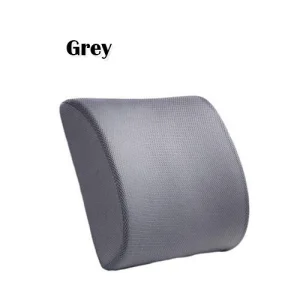
Preventing pressure injuries (decubitus ulcers) in long-term seated users through multi-density memory foam matrixes infused with cool-gel thermal dissipation channels, contoured lumbar alignment, and motorized standing posture elevation.
| Material / Component Spec | Traditional Manual Wheelchairs | Modern Power Wheelchairs | Next-Gen Carbon Fiber Power Chairs |
|---|---|---|---|
| Structural Chassis | Chromoly Carbon Steel Pipe | Aircraft 6061-T6 Aluminum Alloy | Toray T700 Carbon Fiber Monocoque |
| Net Weight (Excl. Battery) | 16.5 kg - 22.0 kg | 21.0 kg - 28.0 kg | 11.5 kg - 14.8 kg |
| Drive Actuation | Manual Push Rim | Brushed Gear Motor (250W x 2) | Brushless DC Hub Motor (200W x 2) |
| Braking System | Manual Toggle Handbrake | Electromagnetic + Manual Release | Intelligent Regenerative Dynamic Brake |
| Power Cell Chemistry | N/A | Lead-Acid / Standard LiFePO4 | High-Density Airline-Approved Lithium-Ion |
Engineering specialized medical technology tailored to diverse therapeutic environments and patient mobility requirements.
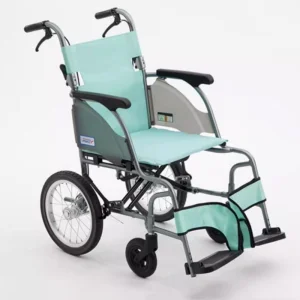
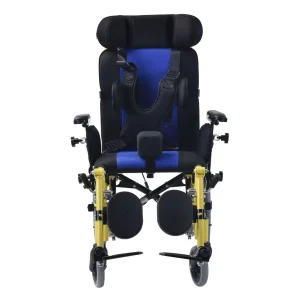
In post-operative care and acute physical therapy units, heavy-duty self-locking manual wheelchairs and tilt-in-space recliners are vital. They enable nursing staff to safely transfer patients with neurological impairments or orthopedic trauma while maintaining spinal neutral positioning and preventing postural hypotension.
Geriatric nursing centers require multi-functional recliners with integrated care brakes and customizable standing mechanisms. Standing electric wheelchairs facilitate weight-bearing therapy, stimulate lower-limb bone density, promote kidney drainage, and significantly enhance psychological self-esteem among elderly residents.
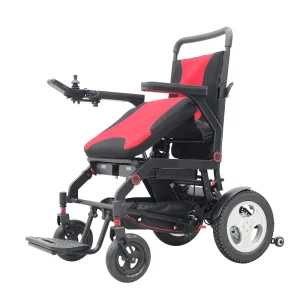
For community-dwelling individuals and pediatric patients with special needs, compact, ultra-lightweight foldable electric wheelchairs represent independence. Compact fold dimensions allow straightforward transport in standard automobile trunks, enabling seamless navigation of urban infrastructure, outdoor parks, and domestic indoor spaces.
A Global Standard-Bearer in Mobility Assistance & Medical Care Equipment Manufacturing
Foshan Muv Wheelchair Co., Ltd. is a premier high-tech enterprise specializing in the research, development, engineering design, and large-scale manufacturing of mobility assistance and medical care equipment. Operating from a state-of-the-art self-owned production complex spanning 10,000 square meters, our facility is equipped with automated manufacturing infrastructure, robotic welding arms, high-precision CNC tube-bending machinery, and digital quality testing stations.
Backed by robust in-house R&D teams, we continuously drive technological innovation to supply ultra-reliable, high-grade personal mobility solutions to global markets. Our firm holds independent intellectual property rights for numerous pioneer designs, backed by 25 technology patents and 2 software copyrights, demonstrating our ongoing commitment to advancing medical technology.
Certified under strict international quality management standards including ISO 9001:2008 and ISO 13485:2016 (Medical Devices Quality Management System).
Product lines comply with global market access mandates holding official certifications such as CCC, CE, EU MDR, and US FDA 510(k) clearances.
Exporting to over 48 countries across Europe, North America, the Middle East, Southeast Asia, and Latin America through established distributor partnerships.
Our operational philosophy integrates rigorous quality control at every phase of manufacturing—from raw material spectral analysis to 100% dynamic load testing of finished devices. We provide turnkey B2B solutions, including custom OEM/ODM engineering, brand label customization, and localized regulatory compliance support for institutional importers nationwide.

Anticipating the technological disruptions that will define the next decade of intelligent assistive machinery.
The integration of Internet of Medical Things (IoMT) sensors into power wheelchairs allows real-time telemetry monitoring. Internal microprocessors track battery health cycles, motor temperature thermal curves, dynamic tire wear, and user seat pressure distribution. Through cloud-connected telemetry, rehabilitation centers and equipment suppliers can perform remote diagnostic checks, preventing equipment downtime and optimizing maintenance schedules before hardware failures occur.
As micro-actuator technology matures, the convergence of motorized wheelchairs and lower-limb powered exoskeletons is accelerating. Emerging research models incorporate non-invasive EEG brain-computer interfaces and EMG muscle sensor arrays, allowing individuals with severe neurological impairments (such as high-level quadriplegia or ALS) to intuitively control mobility devices through cognitive neural signals or subtle facial micro-gestures.
Leveraging LiDAR spatial mapping, ultrasonic obstacle avoidance arrays, and high-precision GPS positioning, future smart mobility chairs will offer autonomous point-to-point transit inside complex hospital environments, airports, and smart cities. Users can simply select a destination via a smartphone app or voice command, with the chair handling path planning and obstacle navigation automatically.
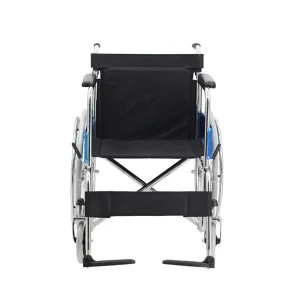
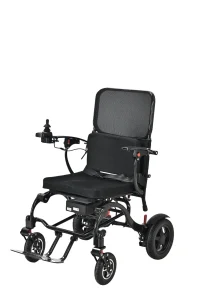
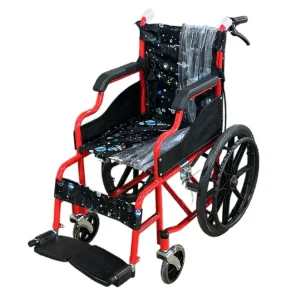
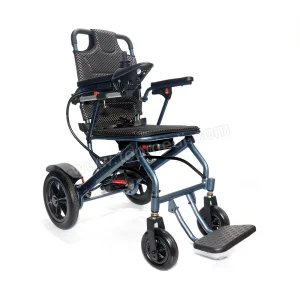
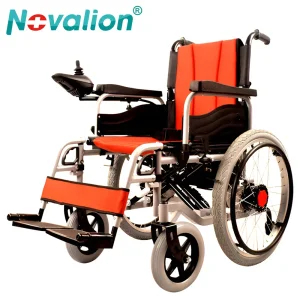
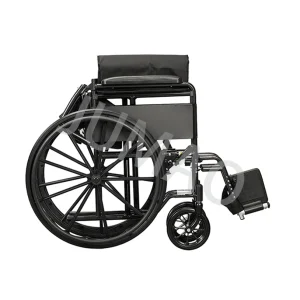
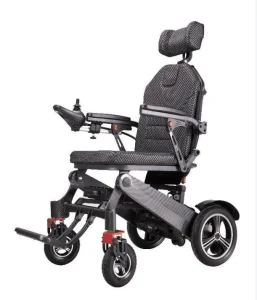
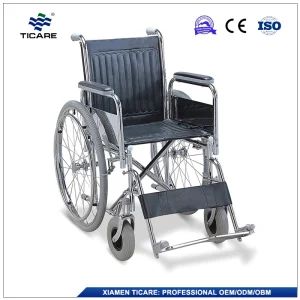
Discover specialized mobility products designed for durability, ergonomics, and international market compliance.
Essential regulatory, technical, and logistics insights for commercial importers and healthcare providers.