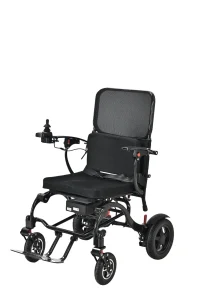
Muv Wheelchair
Muv Wheelchair
Muv Wheelchair
Engineered for long-term durability, patient compliance, and optimized maintenance cycles.
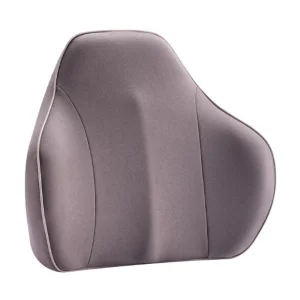
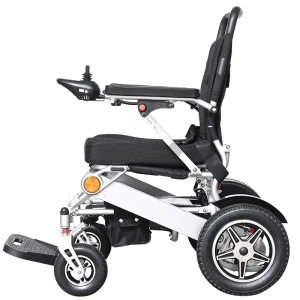
As the global demographic shifts toward an aging society, the demand for mobility aids, specifically standard and motorized wheelchairs, has grown exponentially. According to international healthcare metrics, the durability and operational lifecycle of a wheelchair directly dictate patient safety, cost-of-ownership for healthcare systems, and the overall carbon footprint of medical equipment distribution. To address this, purchasing entities require a reliable framework to evaluate wheelchair maintenance suppliers and exporters, ensuring the integration of high-grade spare parts, wear-resistant materials, and strict regulatory compliance.
Wheelchair maintenance goes far beyond superficial cleaning. It involves continuous structural assessment, replacing worn-out mechanical linkages, validating battery systems, verifying electronic speed and direction controllers, and ensuring the mechanical integrity of structural frames. Working directly with highly specialized Chinese manufacturers that provide standardized parts and comprehensive maintenance guidelines can significantly reduce overhead costs for medical distributors, hospitals, and long-term care facilities.
Foshan Muv Wheelchair Co., Ltd. is a leading professional manufacturer specialized in the research, development, engineering, and manufacturing of mobility assistance and medical care equipment. Our state-of-the-art factory spans over 10,000 square meters and is equipped with modern, automated production facilities, advanced welding robots, and rigorous computerized inspection systems.
With deep R&D capabilities, our experienced engineering team focuses on enhancing product performance, passenger safety, and overall ergonomic comfort. By combining advanced engineering with strict quality control checkpoints at every phase of the manufacturing process, we deliver mobility solutions that conform to the highest global medical standards. Holding independent intellectual property rights for a vast range of our designs demonstrates our ongoing dedication to technological innovation and supply-chain efficiency.
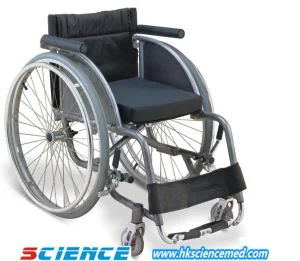
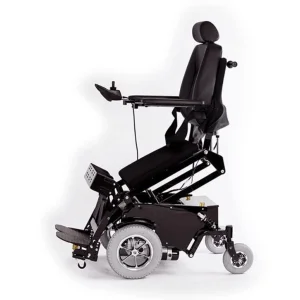
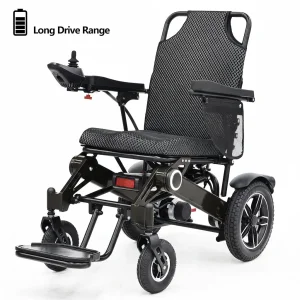
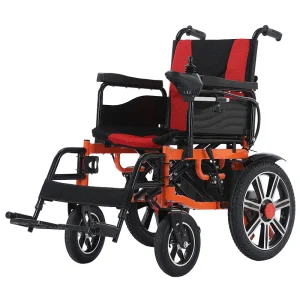
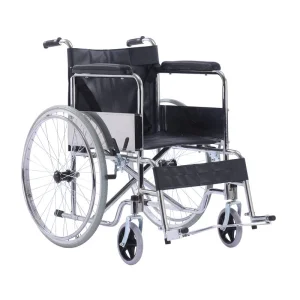
Our core product portfolio includes premium electric wheelchairs, manual sport and leisure wheelchairs, medical beds, heavy-duty bariatric devices, and associated mobility accessories tailored for the international medical trade.
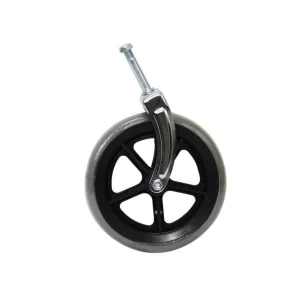
China has established a massive industrial clustering advantage in the manufacture of medical mobility devices, particularly in areas like Foshan. The vertical integration of raw steel, medical-grade aluminum alloys, aerospace-grade carbon fiber processing, electronic motherboard assembly, and polyurethane (PU) molding provides a continuous stream of components. This ecosystem ensures that B2B buyers can obtain highly compatible, low-tolerance parts for maintenance programs, including replacement front forks, anti-tip assemblies, high-density foam cushions, custom wheels, and high-discharge controllers.
Modern wheelchair maintenance relies on lightweight yet strong materials. Chinese factories lead the industry in sourcing and fabricating advanced materials such as 6061-T6 aluminum alloys and high-tensile carbon fiber. These materials reduce the overall tare weight of folding chairs while preventing structural fatigue. Working with materials of this caliber minimizes the frequency of frame inspections and structural failures, extending the average equipment lifespan from 2 years to over 5 years.
By employing robotic arm welding systems and computer numerical control (CNC) machining centers, Chinese manufacturers achieve incredibly tight manufacturing tolerances. High-precision alignment is crucial because even a 1mm deviation in a steering fork or axle receptacle can cause uneven tire wear, tracking issues, and excess load on motors. Standardized tolerances allow for swap-and-play component replacement, simplifying maintenance for hospital facilities management and rental operators.
| Component Group | Primary Engineering Failure Point | China Factory Maintenance Solution | Expected Operational Lifecycle Improvement |
|---|---|---|---|
| Chassis & Frame | Micro-fractures along manual weld joints | Automated Robotic TIG welding with structural stress analysis | +150% structural lifespan |
| Wheels & Front Forks | Bearing failure & plastic fork fracture under load | Fiber-reinforced composite plastic forks & sealed bearings | +200% impact resistance |
| Electric Drive Systems | Brush wear & heat-induced electrical failure | Brushless DC motors with integrated thermal cutoff controllers | +300% operational efficiency |
| Upholstery & Ergonomics | Pressure sores & foam compression collapse | High-density viscoelastic memory foam with antibacterial PU coatings | +180% passenger comfort retention |
Quality and compliance are foundational elements of our manufacturing process. Foshan Muv Wheelchair Co., Ltd. maintains a complete quality assurance system, having earned international quality management system credentials including ISO9001:2008 and ISO13485:2016 (the global gold standard for medical device design and manufacturing).
In addition, our products have received international certifications ensuring safe operation under strict domestic and international laws:
Our solutions cater to various B2B clients, adapting to diverse operational contexts and maintenance requirements:
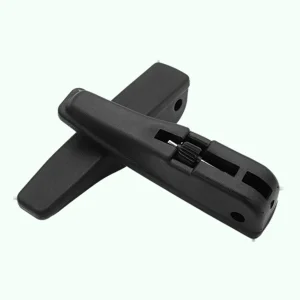
Hospitals need heavy-duty, easily sanitizable, anti-bacterial transport chairs with standardized brake configurations. Because transport chairs see high utilization, replacement parts like armrests, brakes, and tires must be easy to replace to keep maintenance cycles short.
Customization is key in clinical settings. High-back reclining wheelchairs and sports chairs must be fine-tuned to individual recovery programs. Standardized mount positions allow therapist-specified configurations like head support extensions, customized seat angles, and adjustable footrests.
Assisted living centers focus on safety, anti-bacterial surfaces, and reliable power electronics. With electric drive systems, preventing battery wear and joystick faults is critical. By sourcing direct from manufacturers with robust electronic component inventories, facilities can secure reliable replacement parts at stable price points.
Global distributors require complete replacement kits, localized user guides, and compliance documentation. By utilizing our international logistics network (covering 48 countries), distributors can maintain a lean inventory of essential components, reducing warehousing costs and overheads.

Implementing a preventive maintenance routine extends the service life of manual and electric wheelchairs. Healthcare facilities managers and logistics operators should follow this systematic maintenance checklist:
Verify that all fasteners, structural bolts, and quick-release pins are secured to their torque specifications. Inspect the frame for paint peeling or micro-fissures, which could indicate underlying metal fatigue. Clean any debris from the front caster wheels to prevent steering binding or uneven bearing wear.
Overcharging or deep discharge cycles can dramatically reduce battery life. Ensure the charger is functioning correctly and that terminal connections are tight and free of oxidation. Calibrate the joystick periodically to resolve any directional tracking drift.
Check the fabric for tears that could compromise patient weight distribution. Clean PU seats and armrests with medical-grade disinfectants. High-density memory foam inserts should be rotated monthly to maintain their viscoelastic properties and prevent pressure-sore risks.
Technical expertise and procurement answers for global wholesale clients and procurement managers.
Standardized components and specialized seating solutions designed for durability and ease of maintenance.