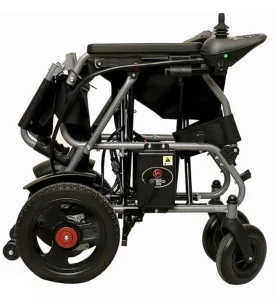
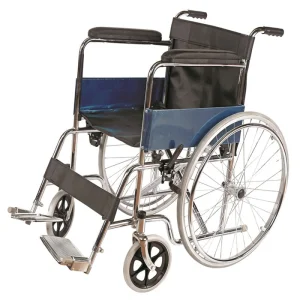
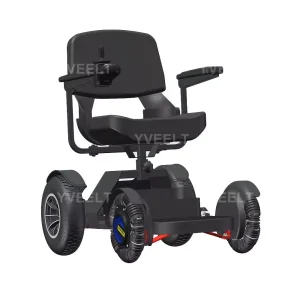
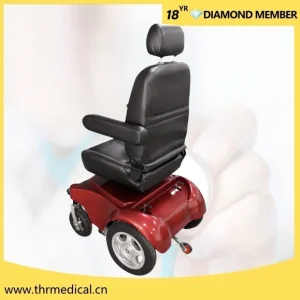
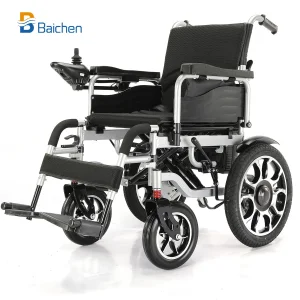
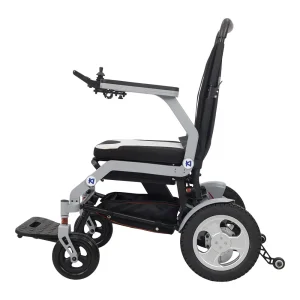
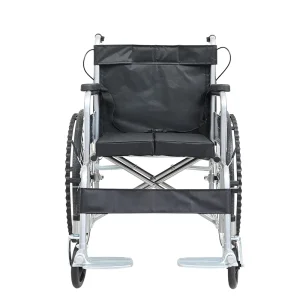
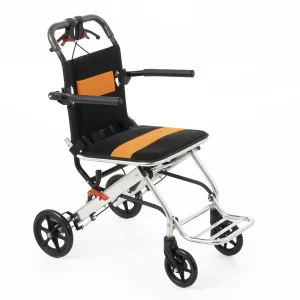
Muv Wheelchair
Muv Wheelchair
Muv Wheelchair
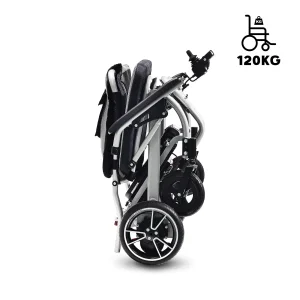
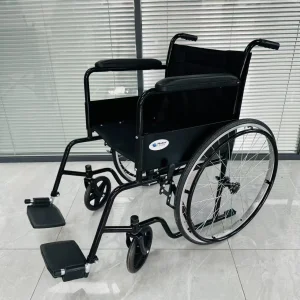
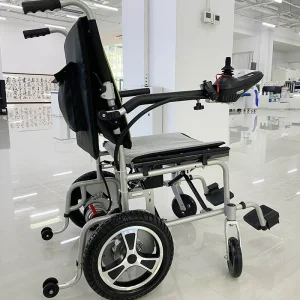
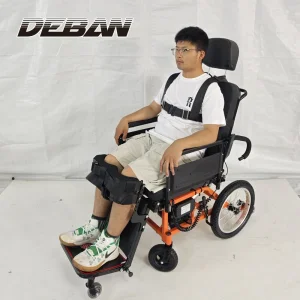
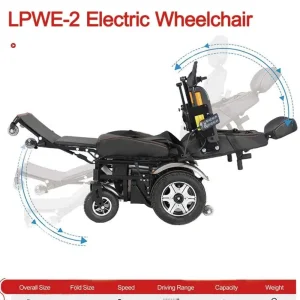
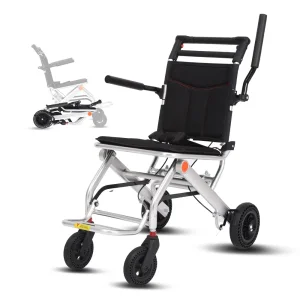
Explore our foundational range of medical-grade wheelchairs, engineered for durability, patient comfort, and seamless integration with specialized pressure relief pads.
Within the rehabilitation and assistive technology sectors, the selection of the correct wheelchair pad is far more than a matter of patient comfort. Clinically, it is the primary line of defense against pressure injuries (formerly decubitus ulcers), which represent a significant socioeconomic burden on healthcare systems globally. According to epidemiologists, pressure injury prevention systems require precise therapeutic intervention using materials capable of managing localized shear, vertical pressure distribution, and skin microclimates (temperature and humidity).
For B2B procurement managers, sourcing these specialized medical assets necessitates partnering with certified, highly competent manufacturing entities. A premier manufacturer must demonstrate not only raw output capacity but also an advanced understanding of material science—combining viscoelastic memory foams, therapeutic honeycombed gels, and multi-cell air flotation technologies. This document offers a comprehensive analysis of the top manufacturing ecosystems, specifically highlighting China's advanced medical production hubs, which represent the apex of global cost-efficiency, technology integration, and regulatory compliance.
"The interaction between the pelvic structure and the wheelchair seating surface is governed by the principles of immersion and envelopment. Top-tier manufacturers utilize custom-contoured polyurethanes and fluid-gel reservoirs to maximize contact area, thereby mitigating localized high pressure points over bony prominences such as the ischial tuberosities."
High-efficiency wheelchair pads are designed under rigid medical guidelines to provide:
A Case Study in Advanced Manufacturing Excellence and Medical Compliance
Foshan Muv Wheelchair Co., Ltd. is a globally recognized manufacturer specializing in the research, development, and high-volume production of advanced mobility equipment.
Compliant with international regulatory frameworks:
Operating from a modern 10,000 square meter industrial park in Foshan, Guangdong Province—the center of China's medical equipment manufacturing cluster—Foshan Muv Wheelchair Co., Ltd. integrates advanced robotics, automated tube bending, and computer-controlled welding processes to achieve unparalleled consistency and scale. The company's focus on research and development has secured 25 technology patents and 2 software copyrights, positioning it as an industry leader in both physical structural engineering and digital integration (such as powered mobility controllers).
By implementing a rigorous quality management system certified under ISO 9001:2008 and ISO 13485:2016 (the harmonized standard for medical devices), Foshan Muv ensures that every wheelchair pad and mobility device leaving the assembly line is qualified for clinical application. The factory's production equipment includes automated foam injection molding units, high-frequency textile welding machines for fluid-proof covers, and automated laser testing benches that verify foam density and load-bearing capacities.
This strict adherence to international quality standards facilitates seamless regulatory approval in target markets, with products bearing CE, FDA, MDR, and CCC marks. Consequently, Foshan Muv's export channels span Europe, the Americas, the Middle East, and beyond, serving buyers in over 48 countries.

Why global medical device brands and hospital procurement networks center their supply chains in China.
Chinese factories are situated in comprehensive industrial clusters. From raw polyurethane synthesis and medical-grade silicone gel formulation to advanced textile weaving for breathable outer covers, the entire supply chain is localized. This minimizes logistics friction, lowers overheads, and accelerates turnaround times.
Unlike Western suppliers that offer rigid, catalog-only options, manufacturers like Foshan Muv customize foam densities (ILD), shape profiles (ergonomic contours, coccyx relief cutouts), and integrate anti-shear layers specifically for your brand's unique wheelchair lines.
Export-oriented factories have transitioned to meet the stringent EU MDR (Medical Device Regulation) and US FDA requirements. These facilities maintain detailed technical files, raw material traceability, and biocompatibility records (ISO 10993) to protect global distributors from legal risks.
B2B procurement of wheelchair pads requires balancing clinical requirements with economic realities. Key variables during the vendor evaluation process include:
Purchasers must align pad selection with patient risk profiles. Low-risk users (e.g., those with temporary mobility limitations) require high-resiliency polyurethane foam pads. High-risk patients (e.g., those with spinal cord injuries or long-term immobilization) require dynamic air cell systems, alternating pressure pads, or cohesive gel-infused memory foams that dynamically adjust to shifts in posture.
Wheelchair pads are Class I medical devices in most jurisdictions. Suppliers must document that the fabric cover is hypoallergenic, water-resistant, and antimicrobial. Flame retardancy certifications, such as CAL 117 or BS 5852, are mandatory for institutional contracts in North America and the United Kingdom, respectively. A professional manufacturer will readily provide these test reports.
A reliable supplier doesn't just promise quality; they prove it through automated testing protocols. Ask your supplier for validation metrics, including:
• Indentation Load Deflection (ILD): To assess foam firmness.
• Constant Deflection Compression (CDC): To ensure the foam does not flatten out permanently over time.
• Skin Friction and Shear Coefficients: To verify that the cover fabric actively prevents tissue breakdown.
Providing enterprise-grade seating systems for large-scale institutional projects.
We supply high-durability, infection-control-compliant seating systems that withstand medical-grade sanitizers. Our polyurethane coatings prevent liquid penetration, maintaining hygiene across multi-patient environments.
Focusing on prolonged immersion solutions, these pads help prevent pressure sores in elderly populations with limited mobility. Ergonomically shaped to stabilize positioning and reduce slips.
For wheelchair brands looking to bundle premium pads with their seating products, we provide custom shapes, branding, and colorways that fit seamlessly into your existing product catalog.
The daily challenges of a wheelchair user vary depending on their lifestyle, diagnosis, and environment. A single pad design cannot address all needs. Manufacturers must segment their product lines accordingly:
Pediatric cushions require high lateral stability and abduction properties to promote correct spinal alignment. Children with Cerebral Palsy need custom-molded contour pads with firm side bolsters to prevent pelvic tilt. Durable, washable covers are critical in these scenarios.
Active users require ultra-lightweight designs, such as high-tech honeycomb elastomers or low-profile pneumatic systems. Heavy seating pads add weight to the frame, increasing fatigue in manual wheelchair users. The cover must also feature high ventilation capabilities to manage sweat during physical exertion.
Bariatric patients generate high loads that compress standard medical foam, causing them to "bottom out" (touch the hard frame beneath). Factories address this by engineering multi-density cushions that use a firm, high-density foam base coupled with a soft memory foam or gel top layer, maintaining comfort and structural integrity under high loads.
The convergence of material science and electronic integration is driving new innovations.
Next-generation pads integrate ultra-thin sensor arrays. These sensors monitor pressure distribution in real-time, sending data to a mobile app or a caregiver's dashboard to prompt the user to shift weight before pressure injuries develop.
In response to global sustainability initiatives, research teams are replacing petroleum-based polyols with bio-based alternatives (such as soy and castor oil), creating biodegradable, non-toxic foam structures.
These specialized materials actively absorb body heat when the patient gets too warm, releasing it as they cool down, keeping the microclimate temperature within a comfortable range.
Addressing the common technical, regulatory, and supply chain questions of professional buyers.
Polyurethane foam is lightweight, cost-effective, and provides basic positioning support. Gel pads provide better heat dissipation and help reduce shear force, though they are heavier. Air cell pads use interconnected pockets of air to distribute pressure evenly, making them ideal for high-risk patients, though they require regular inflation checks.
Export-focused manufacturers operate under ISO 13485 quality systems, compile complete technical files, run biocompatibility assessments (ISO 10993), and register their products with respective regulatory bodies, providing buyers with full compliance documentation.
Yes. Factories like Foshan Muv offer comprehensive ODM services, allowing B2B buyers to customize foam densities (ILD ratings), shape dimensions, inner gel layouts, and outer cover fabrics, complete with private labeling and custom packaging.
Standard production cycles range from 25 to 40 days, depending on material specifications and order volumes. Custom mold creation for proprietary ergonomic contours adds 15 to 20 days to the initial production phase.
Our materials undergo testing in third-party laboratories to meet international safety standards, including California Technical Bulletin 117 (USA) and BS 5852 (UK), with certifications renewed annually to maintain compliance.
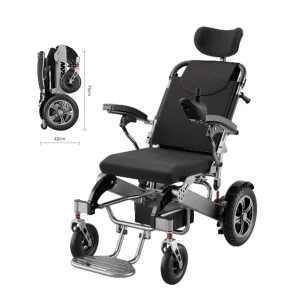
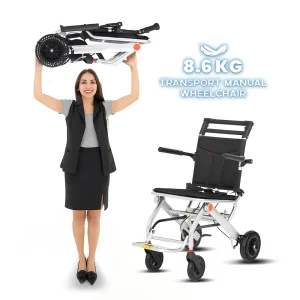
Explore our selection of lightweight, high-performance powered and transport wheelchairs designed for maximum durability and user independence.