 Muv Wheelchair
Muv Wheelchair
Muv Wheelchair
Engineered for compliance and tailored for the demands of Western Australia’s unique clinical and everyday mobility environments.
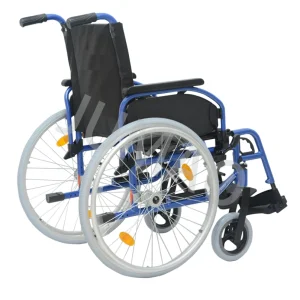
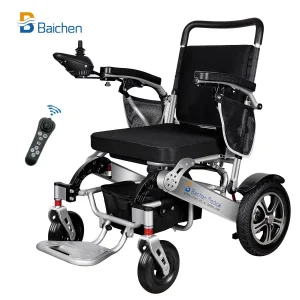
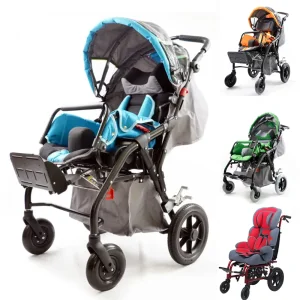
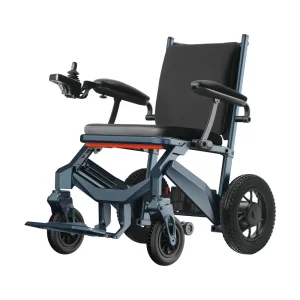
Western Australia, with Perth as its commercial epicenter, represents a highly sophisticated healthcare and mobility equipment market. Spanning a vast geographical area, the Western Australian healthcare network places unique demands on rehabilitation equipment. Mobility aids, particularly lightweight and electric foldable wheelchairs, are not merely consumer goods—they are essential infrastructure supporting independence for a rapidly aging population and NDIS (National Disability Insurance Scheme) participants.
Local Perth wheelchair suppliers, clinical hire businesses, and public health entities (such as those procuring for the Fiona Stanley Hospital and Royal Perth Hospital) require wheelchairs that combine absolute reliability with modern material science. The trend has shifted heavily away from traditional heavy steel configurations toward high-strength aluminum, magnesium alloys, and carbon fiber. Because regional WA travel requires transport by regional flights, train networks, or long-distance road trips, portability and low net weight (tare weight) have become the primary benchmarks for procurement decision-makers.
"In Western Australia, transportability is key. A wheelchair must easily fit into the trunk of a standard sedan or be certified for airline cargo handling under strict Australian domestic carrier guidelines."
Importing medical mobility equipment into Australia requires meticulous adherence to regulatory protocols. Any exporter serving the Perth market must align with the Therapeutic Goods Administration (TGA) standards to ensure that products can be legally listed on the Australian Register of Therapeutic Goods (ARTG). Without proper TGA conformity, healthcare providers and NDIS registered providers cannot utilize or fund these devices.
We provide full compliance dossiers, physical testing reports, and ISO documentation to facilitate seamless ARTG listing by Australian sponsors.
Our structures conform to AS/NZS 3696 wheelchair standards, ensuring they meet the safety regulations needed for government-backed NDIS funding packages.
We work with Perth-based logistics hubs to guarantee that lithium batteries, brushless motors, control joysticks, and tires are readily stockable for rapid local dispatch.
Furthermore, local technical support and standard warranty processes are critical. By offering comprehensive technical training modules, design blueprints, and modular spare parts packages (including electromagnetic brakes, high-efficiency controllers, and durable castor wheels), we ensure that Perth distributors can offer their clients the high-quality post-sales security expected of premium medical devices.
How the integration of local design engineering and state-of-the-art Chinese manufacturing benefits commercial buyers in Western Australia.
Foshan Muv Wheelchair Co., Ltd. stands at the forefront of high-precision mobility engineering. Spanning a modern 10,000 square meter factory, our facility integrates advanced automation with professional R&D expertise. By focusing strictly on medical device production, we maintain high compliance profiles including ISO9001:2008 and ISO13485:2016 certifications.
Our technical capabilities are validated by 25 technology patents and 2 software copyrights. This deep expertise translates to lighter weight frames, more efficient energy transfer in electric models, and reliable structural integrity. By operating advanced robotic welding lines and automated CNC machining, we eliminate manufacturing inconsistencies, delivering reliable, certified mobility products directly to global markets, including Fremantle Port in Perth.
| Manufacturing Scale & Compliance Profiles | |
|---|---|
| Factory Footprint | 10,000+ Square Meters (Foshan, Guangdong) |
| Quality Standards | ISO13485:2016 Medical Devices Standard |
| IP Portfolio | 25 Patents & 2 Software Copyrights |
| Export Reach | 48+ Countries (Including Australia, Europe, North America) |
| Testing Equipment | Double-drum wear testing, impact tester, drop tester |
Procuring medical mobility devices at an enterprise level requires balancing manufacturing economies of scale with rigorous technical standards. In our experience working with distributors worldwide, the procurement checklist focuses heavily on weight-to-strength ratios, battery certifications, and mechanical safety redundancy. Let us break down these technical dimensions:
The core demand for "lightweight" has driven material science from carbon-steel and basic aluminum into advanced aerospace-grade 6061-T6 Aluminum alloys, AZ91D Magnesium alloys, and Toray carbon fiber. Carbon fiber wheelchair designs push frame weights down to under 10 kg, making them ideal for physical rehabilitation applications. Meanwhile, Magnesium alloys offer superior vibration dampening properties, which provides a smoother ride over tactile paving and aggregate concrete walkways common in Perth’s public spaces.
For electric powered chairs, compliance with the International Air Transport Association (IATA) regulations is a major buyer requirement. Under current guidelines, lithium-ion batteries must generally be under 300Wh for single batteries or 160Wh each for dual battery configurations to be permitted as carry-on baggage. Providing UN38.3 certification and MSDS documentation is standard for our export logistics, assuring local Perth customs and airlines of safety compliance.
A safe braking system is critical, especially when traversing steep slopes or ramps. Modern lightweight electric wheelchairs must incorporate brushless motor systems paired with intelligent electromagnetic brakes (EABS). These systems automatically lock the wheelchair wheels the moment the operator releases the joystick controller, even on inclines, preventing slippage or runaways—a major requirement for occupational therapists assessing patient suitability.
Understanding the exact environments where these wheelchairs are deployed is key to optimizing product configurations for the Western Australian market. Here are the primary usage scenarios:
Ideal for navigating Perth’s extensive public transport system, including Transperth trains and low-floor buses. The rapid-folding mechanism allows users to fold the unit in under 5 seconds for easy vehicle transport.
Used widely across residential aged care facilities (RACFs) in suburbs like Nedlands, Subiaco, and Joondalup. Ergonomic adjustments support pressure management and posture control for elderly residents.
Specially engineered all-terrain units enable users to navigate rugged pathways in tourist areas like the Swan Valley, Kings Park botanical trails, and coastal paths along Cottesloe Beach.
Each environment dictates distinct specification setups. For urban commuting, pneumatic puncture-proof polyurethane tyres are popular to minimize maintenance. For clinical rehabilitation settings, options like swing-away footrests, flip-up armrests, and high-back reclining configurations are highly requested to facilitate patient transfers.
Connect directly with our engineering team for detailed technical brochures, minimum order quantity quotes, and Western Australia shipping schedules.
Send Inquiry NowExplore our export-grade models serving international distribution networks and the Australian healthcare market.
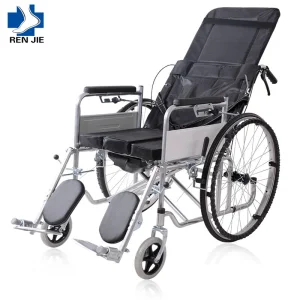
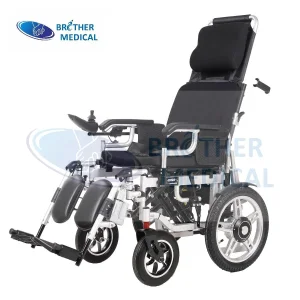
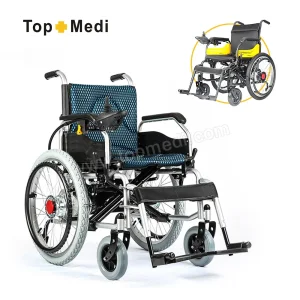
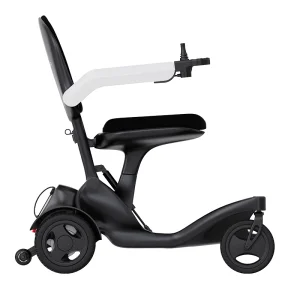
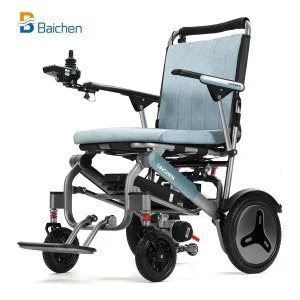
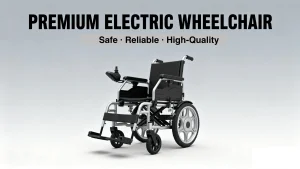
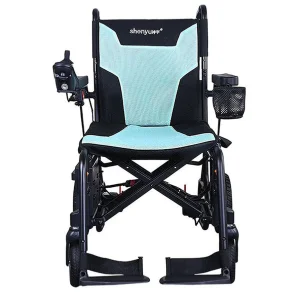
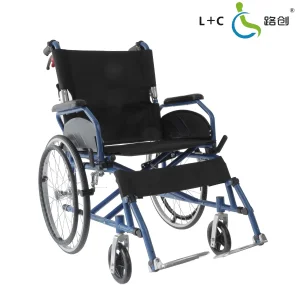
In addition to the configurations highlighted above, we export the following custom specifications tailored to regional distributors:

Our commitment to exporting premium wheelchair designs is backed by advanced industrial capability. Our manufacturing facility uses high-precision robotic assembly and automated production lines to achieve consistent dimensional accuracy. This is critical for medical-grade equipment where tolerances of even a millimeter can impact long-term frame alignment and user safety.
Every batch of aluminum or magnesium tubing undergoes mechanical stress testing, impact simulation, and fatigue testing. Our QC processes verify motor output, battery discharge cycles, and braking response times. For clinical distributors in Perth, this rigorous manufacturing oversight minimizes returns, ensures patient safety, and protects their brand reputation.
Essential guidance for healthcare distributors, clinical procurement managers, and wheelchair importers serving the Western Australian market.